
For Steve Ralph, the news of a wheelchair securement space being trialled for air travel is a promising step towards more “ease, equity and dignity” for travellers with disability.
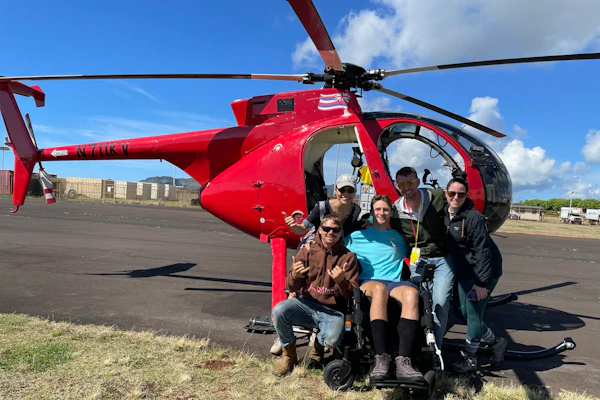
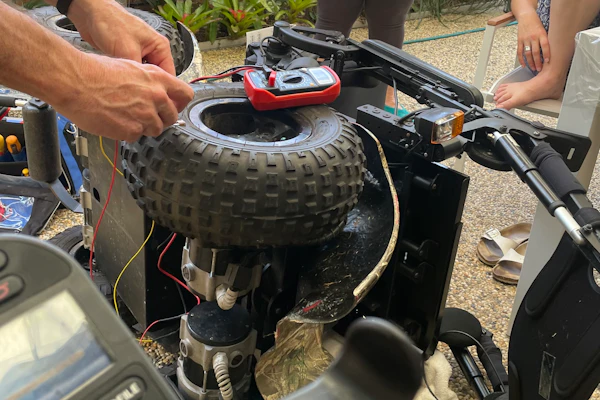
On a recent trip to Hawaii, my power wheelchair was damaged during the baggage loading procedure. This left me quite literally stranded, unable to go anywhere or do anything – and the repair time took days out of my holiday.
Another time, when my chair took another beating in transit, resulted in months of back and forth between the airline’s insurance office and wheelchair technicians to get it fixed.
Since sustaining a spinal-cord injury around five years ago, I’ve become acutely aware of issues the disability community has long been calling out around travel. From inaccessible boarding procedures to inadequate in-flight accommodations, the aviation industry has struggled to provide a seamless journey for passengers with mobility impairments.
However, the recent announcement about Delta Air Lines’ new seat design brings a glimmer of hope for a more inclusive and accessible future.
At this year’s annual Aircraft Interiors Expo in Europe, the US-based aviation giant unveiled a prototype for a chair that converts to allow powered wheelchair docking, called a “wheelchair securement space”. The result of collaborative efforts between airlines, disability advocacy organisations, and wheelchair users themselves, if it passes testing over the next couple of years, this seat will see people sitting comfortably in their own powered chairs during flights.
Delta’s initiative has the potential to revolutionise the flying experience for passengers with disabilities. It’s a significant step towards breaking down barriers and promoting equal experiences for all travellers. And here’s why.
The docking system will help prevent shifting or movement of wheelchairs during takeoff, landing, or turbulence. Delta’s seat will also solve the problems posed by standard plane seats which can cause significant skin integrity issues for some people with mobility impairments or put people at risk of developing pressure injuries.
If people can stay in their own wheelchairs while flying, we’ll also negate the need for uncomfortable transfers into aeroplane seats – a huge win, I can tell you, having suffered significant bruising and deep scratches along my back due to poor transfer policies.

For wheelchair users, maintaining independence and dignity while travelling is important. Delta’s transformative approach allows the freedom to move within the aircraft, access amenities independently, and engage with fellow passengers on an equal footing. It also challenges stigmas associated with disability. Assumptions about the limitations of wheelchair users will be confronted head-on as non-disabled passengers witness the capabilities of disabled travellers.
Delta Air Lines’ trial of wheelchair securement spaces is a significant step towards a more inclusive air travel experience, but there is still work to be done. I hope that this decision will prompt other airlines, hopefully those in Australia, to follow suit and lift their processes to allow people with disability to explore the world like anyone else.
As we celebrate this progress, let’s not forget the journey toward full inclusion continues and requires collective efforts so that all passengers, regardless of ability, can navigate the skies with ease, equity and dignity.
Steven Ralph
Steven Ralph is a tech entrepreneur and brand expert who is passionate about removing barriers for people with accessibility requirements. As an advocate and mentor for community groups and individuals living with spinal cord injury, his vision is to create a future that is inclusive and accessible for everyone.