
Some say the best way to capture a reader's attention is to write about dogs. Well, we decided to do this but for a legitimate reason because it is International Assistance Dog Week, a time to recognise the devoted and hardworking assistance dogs in our community.
What is an assistance dog?
Assistance dogs, and the type of support they provide are varied. From guide dogs to service dogs, the one thing they have in common is ‘why’ they’re being trained: to help people with tasks that can improve their quality of life or their independence.
Assistance dogs undergo intense daily training that is based on what assistance they’ll provide later in life, however for most dogs the training usually costs around $40,000.
Similar to support work, assistance dogs provide support to help someone live the life they choose. There are many access laws that respect the support needs of someone living with disability and their need for an assistance dog. The laws are there to ensure that no one who has an assistance dog is discriminated against.
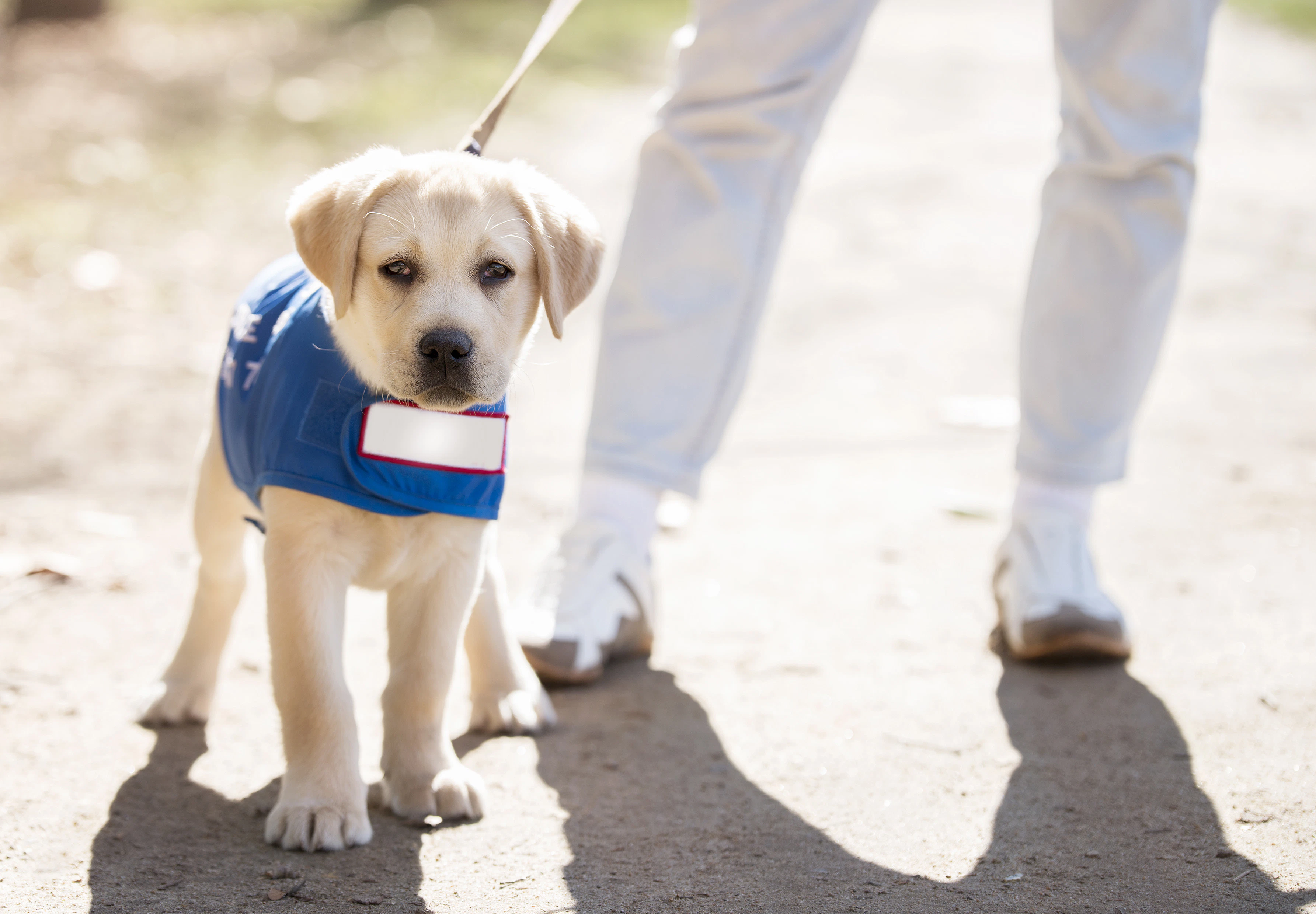
Are assistance dogs the same as emotional support dogs?
I'm sure dog lovers will agree that their canine companions provide emotional support. And there are some dogs who are trained to provide emotional support, but assistance dogs are different because they're trained specifically to perform identifiable tasks to increase independence or quality of life.
So, what do assistance dogs actually do?
An assistance dog’s training lasts for two years and it is specific to the person they’ll work with for most of their life.
Assistance dogs can be trained to help someone with daily tasks such as:
- Opening and close doors, drawers, cupboards and fridge
- Retrieving dropped items
- Pressing the button at traffic lights
- Taking the washing out of the machine
- Removing items of clothing
- Paying the cashier at the shops
- Barking to alert their client if they’re in danger
They can also be trained to help with less tangible daily tasks, like:
- Assisting with the development and improvement of motor skills
- Providing greater freedom and independence
- Reducing support needs
- Improving self-esteem and confidence
And obviously, giving lots of love, licks and companionship.
Can I pat an assistance dog?
As cute as they can be, it’s important to never pat an assistance dog that’s working. This is because touching them can distract them from the important support they’re providing their client. If you do need to interact with the dog, make sure you ask their client before you do.
