
It’s been just under two years since the disability royal commission was established to investigate misconduct throughout the disability sector in Australia. The commission has now turned its focus towards the barriers faced by people with disability when seeking employment, a cohort that, for decades, has struggled to find work.
For anybody, regardless of disability, work provides much more than a source of income. It also gives us a sense of identity, purpose and motivation. I have lived experience of disability through acquiring a spinal-cord injury at the end of 2017. As such, I can tell you that becoming a person with disability does not mean your desire and passion for a career and work disappears.
I was lucky in the sense that I had a few years of professional working experience behind me at the time of my injury. I also had a very supportive employer who was happy to help navigate my journey back to work. That said, I can easily imagine the stress, anxiety and apprehension of going through a formal interview process, being constantly mindful of your disability and the perception that would have on your potential employer on the other side of the desk.
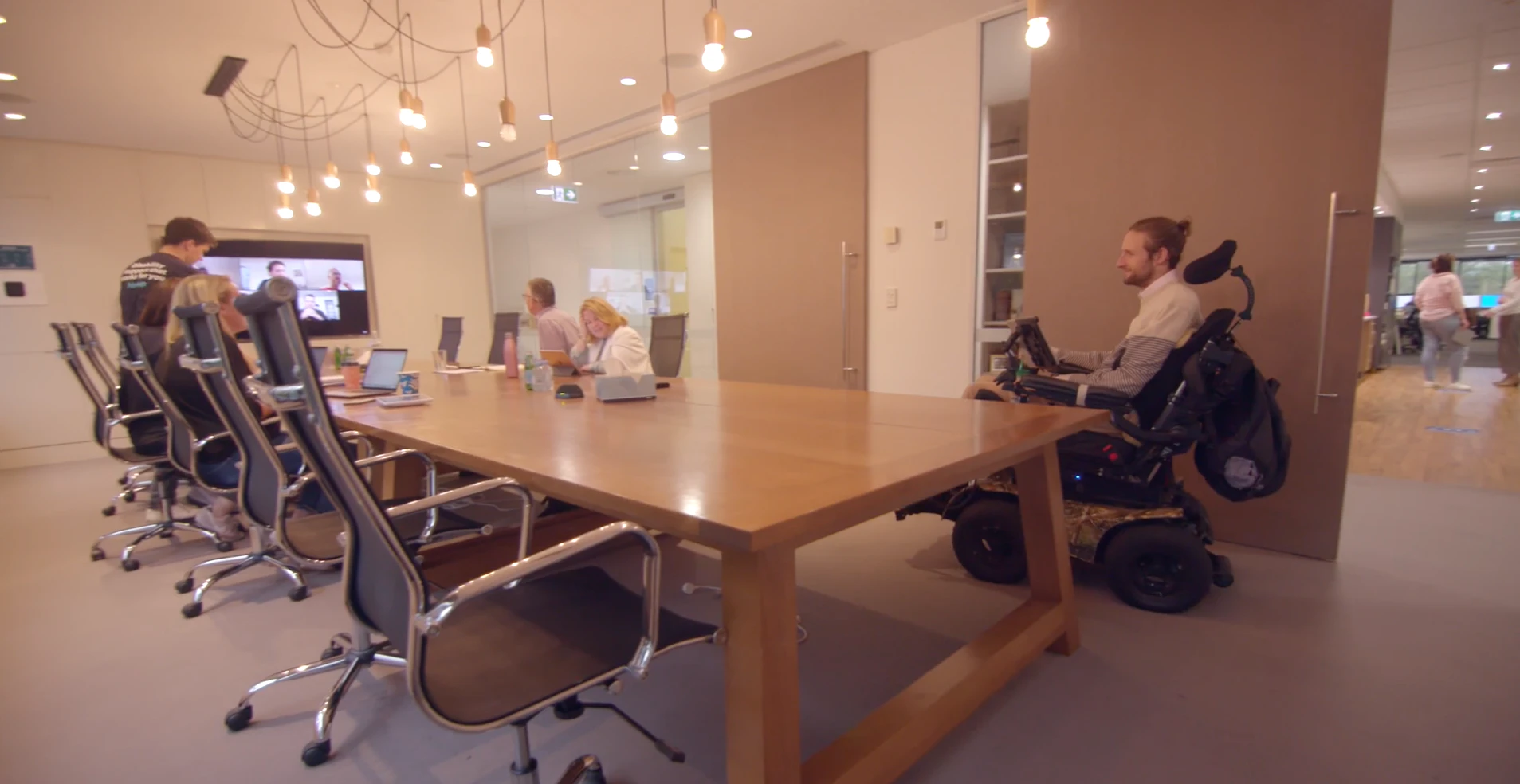
I can also imagine the awkwardness around figuring out when to disclose information about your disability. Should you do so before an interview, during, or not at all? Seeking meaningful and appropriate work with a disability is a daunting prospect, to say the least.
Having reflected on my own experience, as well as researching the topic, I feel that one of the main barriers that exists for people with disability who are seeking employment is the attitude of the employment market as a whole. As reported by the disability royal commission, although there’s been higher utilisation of disability recruitment channels, this hasn’t seen an increase in people with disability being employed.
The commission found that, often, recruiting managers have the attitude that while they might need to interview people coming from disability recruiters, they certainly won’t consider them for the role, regardless of how well their skillset fits the advertised job. This highlights the common perception that people with disabilities aren’t ‘up to the job’, and are therefore unable to compete in the job market.
Often, employers think recruiting someone with a disability carries risk and a considerable financial investment. This is a dangerous misconception. In almost every case, organisations that hire people with disability have enjoyed significant benefits as a result, from a performance, culture and retention perspective. Disability education in the workplace is the key to changing stigma and misconceptions.
Typically, the three most common workplace adjustments made to accommodate anyone who is experiencing either a temporary or longer-term form of disability have no cost directly associated with them. These are 1) flexible working hours, 2) possible added initial supervision, and 3) alternate communication formats. Small changes to a workplace’s superficial practices can open opportunities to a pool of candidates that may otherwise be overlooked, for no other reason than a lack of understanding.
Another issue that’s been uncovered by the royal disability commission is the lack of opportunities and pathways for people with disability to move into senior and leadership positions within the workforce. There is also a perception that people with disability would happily work for minimum wage in any job they are offered, or in some cases, happily work for free.
These disheartening findings are long-standing barriers, reported across the board by people with disability when seeking employment. By highlighting these issues, we are heading in the right direction. However, we’re a long way from a workforce where equal opportunities are given to people regardless of disability.
If you work in a role that has the opportunity to shape a business’s culture, I would highly recommend reaching out to the Australian Network on Disability, an organisation that can consult on workplace adjustment programs. I’d also suggest connecting employers to other organisations that have had experience in disability recruitment, and workplace education around disability.
If we create a culture of understanding around disability in the workplace, it will empower organisations to facilitate career development in a way that is accessible for everybody.

Steven Ralph
Steven Ralph is a tech entrepreneur and brand expert who is passionate about removing barriers for people with accessibility requirements. As an advocate and mentor for community groups and individuals living with spinal cord injury, his vision is to create a future that is inclusive and accessible for everyone.