
An opinion piece by Kim Lander
As someone with a disability, and being a transwoman, I have faced many hurdles. There is great stigma navigating both of these parts of my identity, however Women’s Health Week this week presents an opportunity.
My transition was from 2019 to 2020 and opened my eyes to the trans community. Along my journey of transitioning, I would get many stares. I came to realise this was because there were not many other transwomen like myself living with a physical disability and being in a wheelchair, and this made me stand out in the crowd.
This made a challenging experience more confronting and showed me the benefits of a strong support network. Whether this be my support workers from Hireup or other companies, or my friends.
During my transition, one of the greatest supports was the visibility of other transgender people in the community and the availability of resources and information. Having good information that is accurate, targeted, easily consumable and accessible is needed for the trans community. I found that ACON and a few other organisations were particularly helpful, as they took a non-binary approach to information.
One of the biggest barriers to accessing health information as someone with a disability who is transgender, was finding information that was accurate to me and that I could relate to. Women’s Health Week provides information relating to cis-gender people, however, lacks resources and support for transgender people which adds to the exclusion.
I think it is fine for resources to be targeted at cis-gender people, however for there to be acceptance and understanding of the LGBTIQA+ community beyond tokenism, there should be resources to reflect these diverse needs included in initiatives like Women’s Health Week.
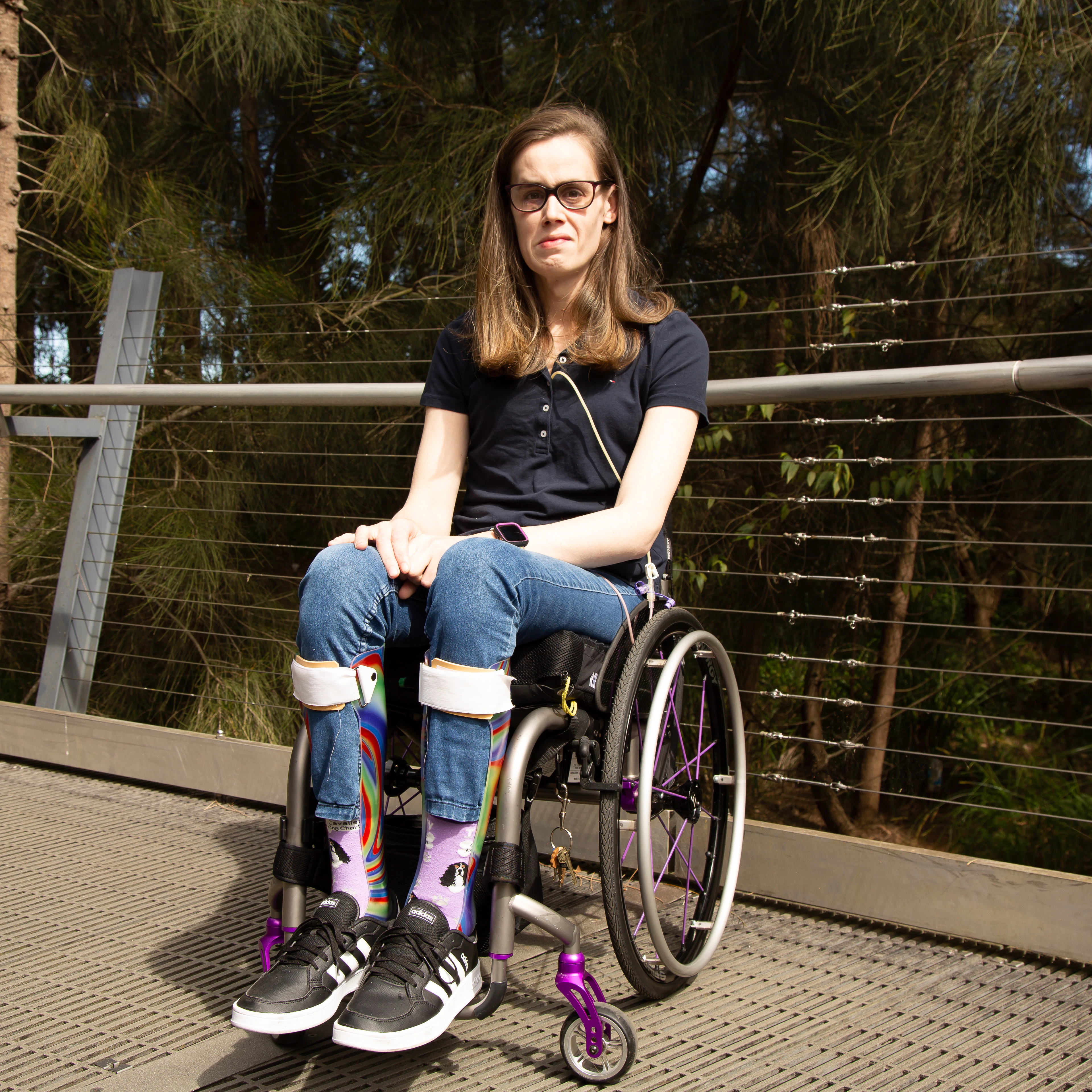
There are topics that are exclusive to the trans community that could be highlighted during Women’s Health Week. When I was first transitioning, I had to rely on my family, friends and support workers to answer a lot of questions around the ‘basic things’ that many people may overlook. I wanted to know more about clothing, personal care, makeup and an accepting place where I could go bra shopping!
However, when a lot of people transition, they can lose some of their family and friends that may not understand, and I experienced this firsthand before I established my inner circle. It happens a lot more than you think. It takes a toll to lose that support, and people need to know where they are able to get support when they lose people they are close to. They also need to know where they can get more informal information that they would have otherwise gotten from family or friends.
The social support and information to navigate through a time like transition can be picked up by adequate health and community services, as well as initiatives like Women’s Health Week.
Having transwomen’s information elevated through Women’s Health Week would make a considerable difference to others in the community, and those who are allies wanting to understand more. If there was content as part of their weekly podcasts/topics for news stories - this could be an excellent source of education for both trans-women and cis-women. I am often asked questions around hormone replacement for example, and people are genuinely really curious and inquisitive, especially since trans-people are more visible in today’s society
Kim Lander is a lived experience LGBTIQA+ disability advocate based in Sydney, Australia represented by Champion Health Agency.
