What are adaptive sports, and how to get involved
It’s no secret that regular sport participation can have tremendous benefits on our physical and mental health, and social wellbeing. And with sport accessibility continuously improving, it is now easier than ever to become a part of a soccer team for people who are vision impaired or to enter the court for a wheelchair tennis match. In this article, we’ll look at what adaptive sports are and find out how you can get involved and find local adaptive sport clubs in your community.
What are adaptive sports?
Adaptive sports incorporate certain modifications, such as a change in equipment, rules, or play environment, to make the sport accessible and inclusive for people with disabilities. Adaptive sports can be recreational or competitive and often run in parallel to typical sport activities.
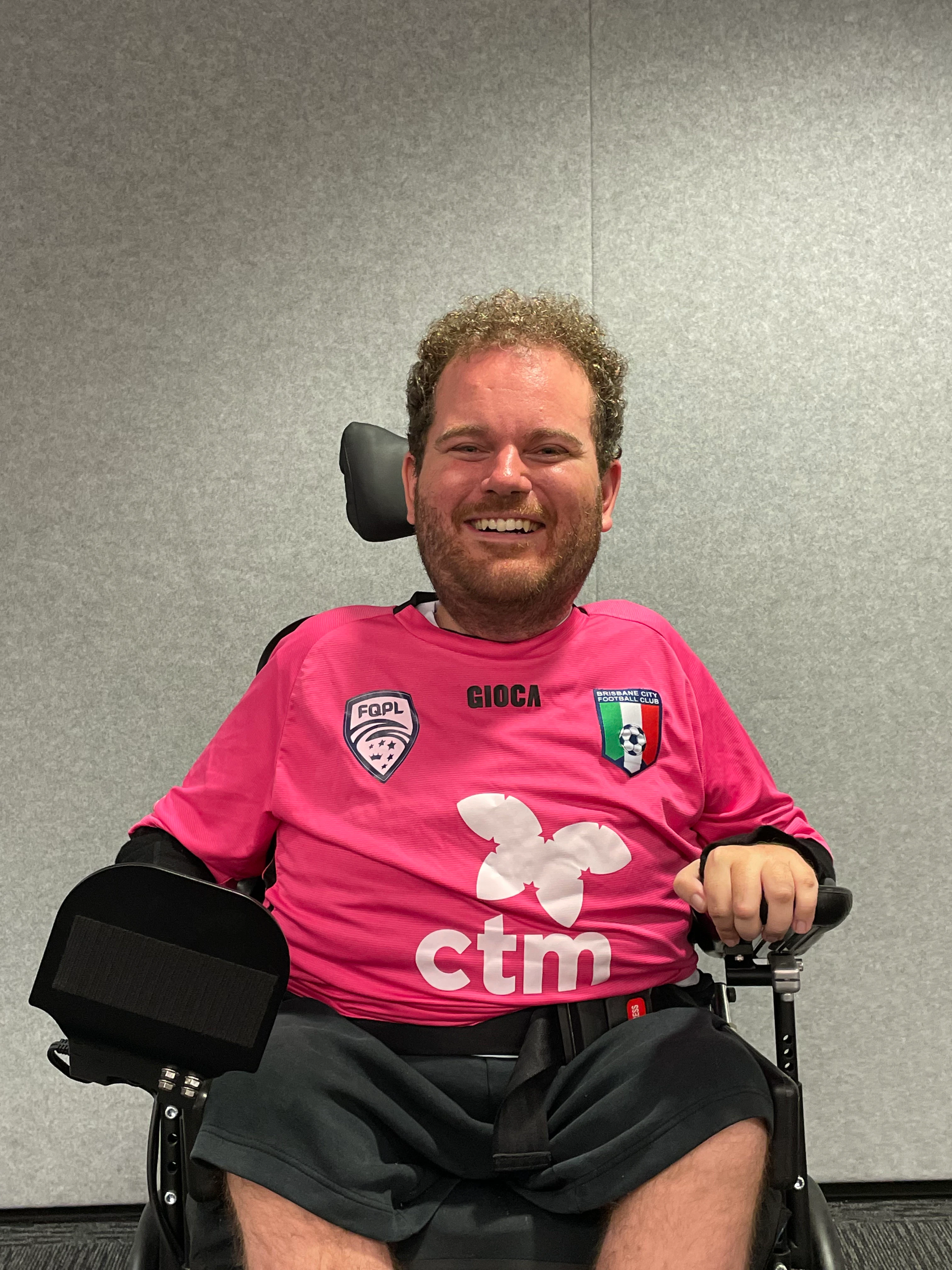
Tristram Peters, a defensive swinger in Brisbane City’s powerchair football team and Hireup client says “Adaptive sports is about ensuring sport is accessible to people with disabilities. Whether this is a case of changing the sports laws to make them more accessible or making sure there is access to equipment.”
“Adaptive sports is about ensuring sport is accessible to people with disabilities. Whether this is a case of changing the sports laws to make them more accessible or making sure there is access to equipment.”
What type of adaptive sports can I get involved in?
If you’re thinking of getting involved in sport, you’ll be pleased to know there are plenty of options available to choose from.
Below are examples of some of the most popular adaptive sport disciplines in Australia.
Team sports:
- Wheelchair Rugby - This contact team sport incorporates elements of basketball, grid-iron and ice hockey. It’s played by two teams of four players in an indoor arena. The aim of the game is to carry the ball across the goal line. Currently, Australia is ranked number one in the world by World Wheelchair Rugby (WWR)!
- Wheelchair Basketball - This fast paced sport is played by two teams of five players. Matches take place indoors on a standard basketball court. The purpose of the game is to shoot the ball into the opposing team's basket.
- Sitting Volleyball - This fast team sport is played by two teams of six players. Matches are played on a smaller court with a lower net than a traditional volleyball court, making it a fast paced game. The objective of the game is to land the ball in the opposition's half of the court.
- Goalball - This team sport was designed specifically for people with vision impairment. It’s played indoors, usually on a volleyball court, with two teams of three players each. The aim of the game is to throw the ball into the opponent’s goal net as the opposing team tries to block it with their bodies.
Individual sports:
- Adaptive Surfing - Like typical surfing, it involves paddling out on a surfboard, catching waves and riding them to the shore. Quite often, the surfboards are modified to make them accessible and safe for the surfer.
- Adapted Swimming - This is a very popular sport. Often no additional equipment is necessary, but pools should have a modified entrance point for ease of access.
- Para-Cycling - This sport can be enjoyed on an indoor track or outside on a road. There’s a range of different bikes available to suit your ability, including: standard bikes, tandem bikes, three wheeled trikes or handcycles.
- Para-Equestrian - This sport involves horseback riding with the use of certain assistive devices such as dressage crops, rubber bands or any other aids that may support the rider. When competing in an event, participants are judged on their horsemanship skills and use of commands for walk, trot and canter.
How do I get started?
If you’d like to participate in any of the above mentioned sports or any other, you may wish to speak to a physiotherapist first. They will be able to advise you on the types of sport that might be most suitable or beneficial for you and offer some advice regarding potential modifications you might require.
Tristam says that there’s multiple ways to start playing adaptive sports. “I got involved in [adaptive sports when on] a camp for people with disabilities. At this camp there was a powerchair hockey demonstration and I fell in love with it.”
Once you decide which sport discipline you’d like to pursue, it’s worth contacting your local community centre, local council or a disability organisation, such as Disability Sports Australia, to find out what adaptive sports might be currently available in your local area.
And don't be discouraged about the potential costs of getting active! The NDIS can support you with funding to help you access sports and recreational activities.
Trsitam explains that “For powerchair football there is a specific chair we use so there’s a level playing field. We have a number of athletes who successfully get NDIS funding to get these chairs. You have to provide evidence and functional assessments that the chair is reasonable and necessary to live an everyday life.”
Some of the supports that may be available to you include:
- Purchase of desired sporting equipment, including necessary modifications
- Assistance in building skills needed to participate in sport
- Assistance in participating sports and recreational activities
- Transport to and from activities
Activities and sports on Hireup
Hireup disability support workers can provide support to get out of the house, participate in sports and take part in activities.
