
An opinion piece by Hannah Diviney
What does Australia really think about disability? That was the central question of a new SBS documentary, hosted by Kurt Fearnley, that premiered last week as part of a new series designed to shine a spotlight into the cracks of the nation’s moral barometer and throw them sharply into focus. I have to admit, when I was first asked to watch this, I was nervous. In my experience as a disabled person, Australia can be pretty hit and miss when it comes to understanding, valuing and making accommodations for disabled people. The idea of this documentary felt like I was potentially being led into an emotional minefield that might explode in my face and leave me deeply triggered and vulnerable.
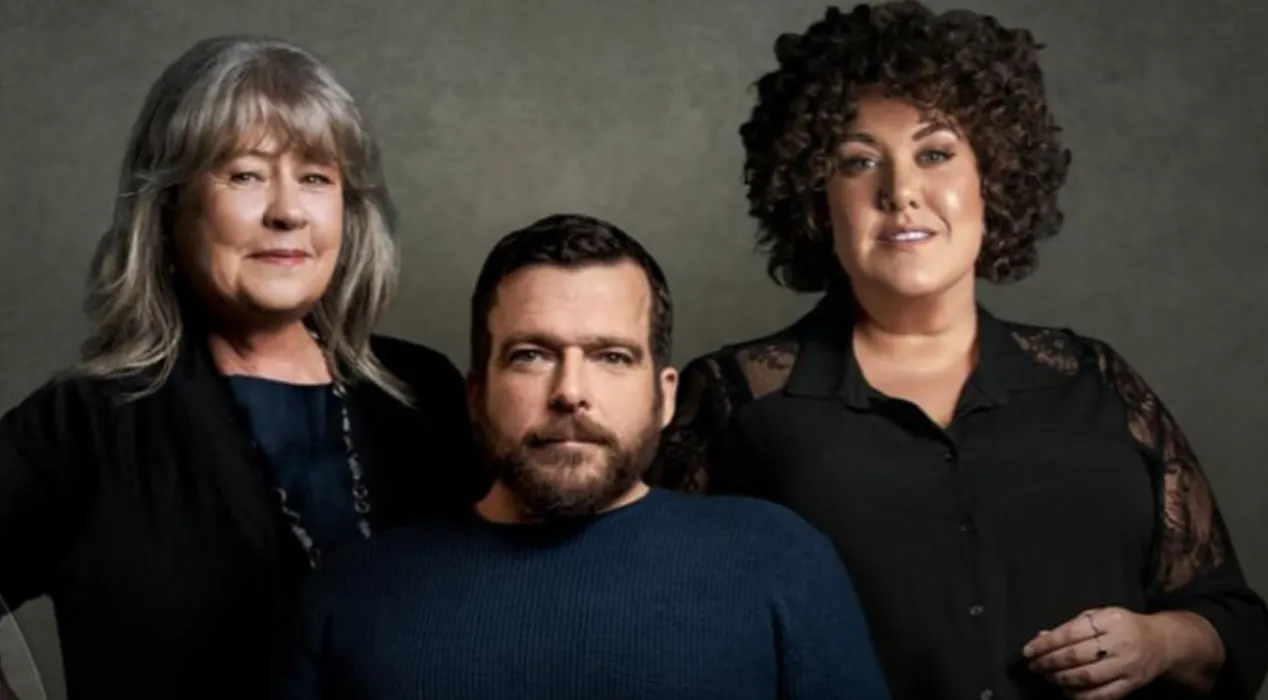
Overall, none of the documentary surprised or shocked me. Parts of it were as awful as I’d feared. Especially seeing the distress caused to members of the disabled community by an uneducated public, during several hidden camera experiments. They were abused, threatened, laughed at, ignored and run away from, in spite of 85% of those surveyed for the show, insisting they would absolutely of course, stop to help a disabled person in need. You might think, behaviour like what I’ve just described above is uncommon and extreme, that the needle has moved away from fear and derision as the norm, that in 2021, we should have made more progress. You’re right. We should have but we haven’t. I bet if you asked any disabled people in your life about the reactions we get from everyday strangers or even those in positions of service and power, we’d all have at least one absolutely horrifying experience of ignorance to tell you about. And, if you don’t have any disabled people in your life to ask? Well, that’s another problem.
Now, don’t get me wrong. The documentary wasn’t all doom and gloom! It had moments of hope, too. Moments when you could literally see society’s biases and preconceptions about disability out in the open and then watch them be dismantled and reconstructed in real time thanks to the power of conversation, visibility and passionate advocacy from our community. But that’s the thing… If we don’t get the opportunity to be seen and heard, and valued as just everyday people living beautifully rich and full ordinary lives, then none of this will change. There’ll still be 15% of Australians surveyed who believe we aren’t as capable at work while we fight to build careers of our own just so we can earn enough to afford the expensive support we need 75% of people will still feel sorry for us, over any other emotion and secretly believe that we can only possibly be attractive to and have futures with other disabled people. Australian Paralympians will still go unpaid for their medal success, while their able-bodied peers earn $20,000 for every gold medal.
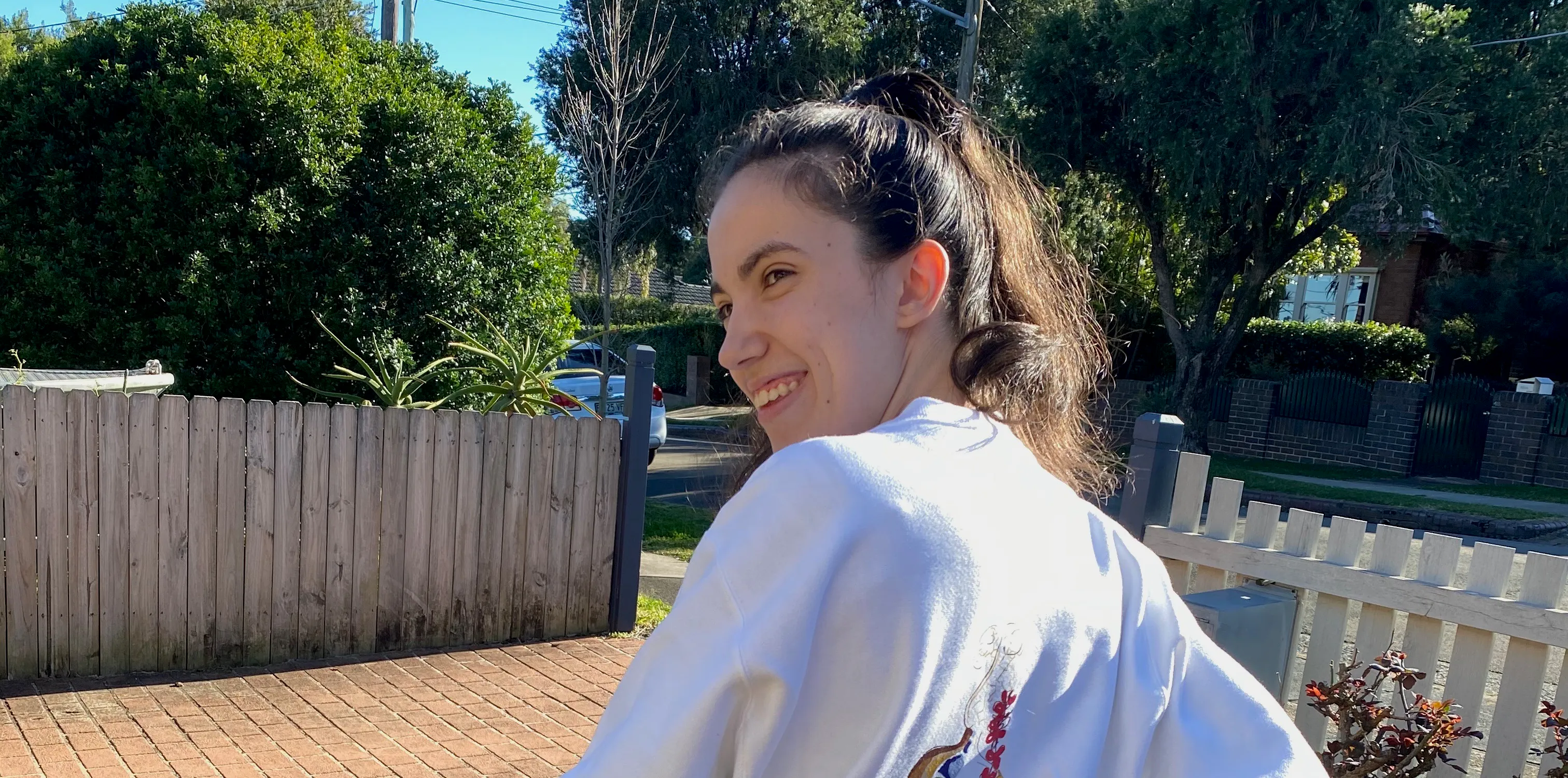
In 20 years, there’ll be another young writer and advocate writing an article like this one, begging for better. Unless we do something about it. Right here. Right now. So, if you can’t see any disabled people in your life, start looking. Start learning how to be an ally. An accessible business. There are so many resources out there including this documentary, and so many people like me who have built a profile for themselves, teaching people what we wish they already knew. People with disabilities are here. Right in front of you. We always have been, and we always will be.

Hannah Diviney
Hannah Diviney is a writer and disability advocate from Sydney, Australia. She's also the Editor-in-Chief of Missing Perspectives. You can follow Hannah's adventures on Instagram and Twitter.