
As we celebrate Autism Acceptance Month, Zoe Simmons reflects on her life through the lens of her new diagnosis.
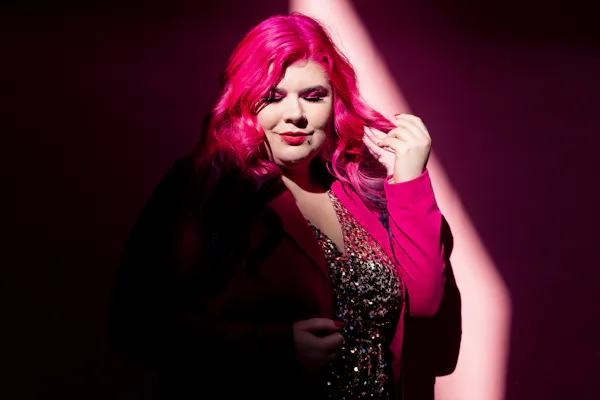
When I was diagnosed with autism last year, at the age of 27, I was so incredibly happy. I’d spent my whole life feeling different – and autism finally gave me answers.
It was incredible to recognise this about myself, and all the ways being autistic impacted my life and the way I interacted with the world. It was even better to learn ways I could take care of myself – and celebrate my authentic self, without masking.
Autism for me is still such a joyful thing: but realising the way society perceives it has been a bit of a shock.
For some reason, many neurotypicals think being different is a bad thing. Many neurotypicals see us as weird, rude, too straight forward, too sensitive and too socially awkward. They see us as a thing that needs to be fixed, or cured. They see us as something that is shameful, and should be hidden.
I know not all neurotypicals think this way: many of them are fantastic allies who put the work in to understand autism, and encourage us to be ourselves. But we still live in a world where non-disabled people police who is disabled, and refuse our access if we “don’t look autistic”. And we still live in a world where autistic people are at significantly greater risk of bad things happening to us.
According to autism advocate Chloe Hayden’s book, Different Not Less (not to be confused with fellow autistic advocate Dr Temple Grandin’s earlier book of the same name), autistic people are 28 times more likely to think about suicide and nine times more likely to take our lives. New research indicates that up to 90 percent of women and girls with autism will experience sexual harassment and gender-based violence – which is almost three times higher than the rate of abuse for non-disabled people.
I have been affected by both of these things.
More than half of autistic Australians have never been able to get a job – despite having the skills, qualifications and strong desire to do so – largely due to neurotypical expectations and a lack of access considerations. Concerningly, 20 percent of autistic people have lost their jobs due to their autism. We are constantly left out and discriminated against.
Autistics are brilliant, kind, caring and passionate people: and all we want to be is ourselves. Yet so many in the world seem to want to punish us for that. They want to diminish us, silence us, and speak over us.
Realising I’m autistic is a very bittersweet thing, because I think autism is so beautiful. I love how excited I get about my special interests. I love my strong sense of social justice. I love the way I question the world, and ways that it can be better. I love the ways that I take care of myself, and show excitement, and connect with other autistic people.
But it’s so challenging to navigate a world that wasn’t built for us.

Zoe Simmons
Zoe Simmons is an award-winning disabled journalist, copywriter, speaker, author and advocate. She writes to make the world a better place. You can find out more about Zoe on her website, or follow her on Facebook, Instagram, Twitter, LinkedIn or Tik Tok.