
An opinion piece by Jess Cochran
There are lots of labels that are used in the disability and chronic illness world; from conditions to symptoms, the list is seemingly endless. Another set of labels that are thrown around far too often – especially around women – are labels like drug seeker, frequent flyer, hypochondriac, and doctor shopper*.
These labels can affect a person’s care with detrimental repercussions. They can cause so much fear that many people with disability and/or chronic illness will avoid seeking emergency care when extremely unwell, or suffer extreme anxiety at the thought of seeing a new doctor.
These labels don’t just occur when we come across a doctor we have never met. They can arise because of the actions or attitude of someone on our existing medical team, or when our choice of treating professional is stripped from us, as can happen in the public health system.
Sometimes when our circumstances change, there can be a sudden shift in a previously trusted professional’s demeanour.
One of the first times I faced this change was with a psychiatrist I’d been seeing for a decade. I had already been living with depression, anxiety, PTSD and anorexia when I started seeing him, and for nine years, we had had a great working relationship.
However, when physical symptoms - related to my newly diagnosed postural orthostatic tachycardia syndrome (POTS) and Ehlers-Danlos syndrome (EDS) - affected me to the point of needing a wheelchair, this psychiatrist’s approach shifted dramatically.
He diagnosed me with somatoform disorder, a form of mental illness that causes bodily symptoms, despite scans and correspondence from other specialists ruling this out. Each week for a year he insisted my symptoms were all in my head, although I knew this wasn’t the case.
That breakdown in our relationship has shadowed me ever since – and that dark, looming presence increases with intensity every time I face mislabeling, stigmas and mistreatment.
Several times I’ve been encouraged to change doctors, often by others on my team and in my support network who could see the toll that gaslighting** and mistreatment was taking. At its worst, it took over two years to change gastroenterologists, despite the obvious signs of gastroparesis being ignored.
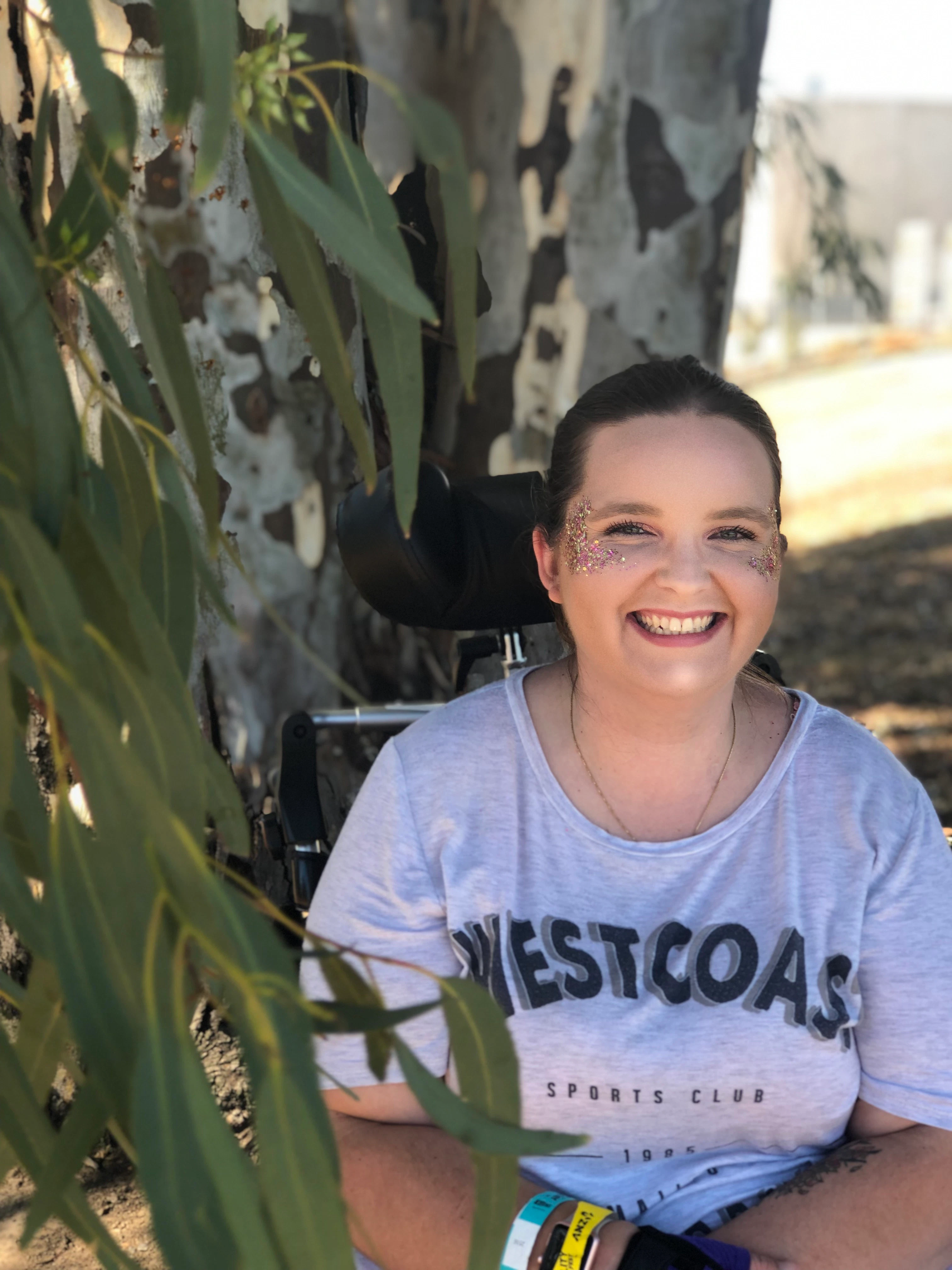
I am now incredibly grateful that my support network helped me make this change, as it saved my life, but I know seeking another opinion isn’t always straightforward.
I’m lucky that I have access to private healthcare. This hasn’t stopped me from fearing being labelled as a ‘doctor shopper’ when I change specialists, but I am grateful that I have choices. In the public system you are told to appreciate what you are offered no matter the costs to your health. I’ve seen friends’ livelihoods put at risk due to lack of choice and it breaks my heart.
So, my plea to those who work in healthcare is to listen to your patients. It may seem bizarre that they’re able to keep up with the medical jargon and perhaps have knowledge that exceeds your own in certain areas, and I appreciate that it can be unsettling. Trust that they know what they’re talking about, they live with it 24/7. It takes a lot of courage to speak up, but we do it for a reason.
To the disabled and chronically ill community, continue to keep those you trust informed and listen to them when they fear you’re being mistreated. Lean on your support systems and know your human rights.
It can be scary to stand up to someone who is mislabeling or mistreating you, but it can mean the difference between barely surviving and thriving.
* Doctor shopping: A practice in which patients go from one healthcare professional to one or more others so as to procure the diagnosis or therapy desired, rather than required, in the opinion of the first physician. (Farlex Partner Medical Dictionary, 2012)
** Gaslighting: Gaslighting is a form of emotional abuse that is seen in abusive relationships. It’s the act of manipulating a person by forcing them to question their thoughts, memories, and the events occurring around them. A victim of gaslighting can be pushed so far that they question their own sanity. (Gaslighting: Signs and Tips for Seeking Help, 2017)
Referencing:
- Healthline. 2017. Gaslighting: Signs and Tips for Seeking Help. [online] Available at: <https://www.healthline.com/health/gaslighting#signs> [Accessed 13 August 2021].
- ‘Doctor shopping’. Medical Dictionary for the Health Professions and Nursing. 2012. Farlex 17 Aug. 2021 https://medical-dictionary.thefreedictionary.com/doctor+shopping
Jess Cochran is a queer disability advocate, talented performing artist, speaker and survivor of abuse. She strives to advocate for accessibility, safety and respect for those with disability, and disassembling ableist constructs. Follow her work on her website, Instagram and Facebook. Jess is represented by Champion Health Agency.
