
An opinion piece by Dr Melissa Gilbert
My own experience of applying for the NDIS was anything but smooth and easy, a common theme in the disability community. When I read an article by Dr Sophie Yates and her colleagues on the barriers to NDIS participation experienced by women, with only 37 per cent of NDIS participants being women, it struck a chord. These women discussed dealing with the NDIS being “like a full time job” (something I have said many times), the labyrinth of paperwork, and difficulties communicating with the NDIA. Gender dynamics complicates this further, with women often carrying the mental and administrative loads in our immediate and wider families.
Just applying for the NDIS is a logistical nightmare. The long, confusing form and support letters needed mean several long appointments with multiple medical and/or allied health professionals, a cost and time barrier for many. A further barrier for women can be the gender biases in the medical system. Women are more often undiagnosed, misdiagnosed, and under-treated, so less likely to have the supporting information needed. Women are also more likely to have an ‘invisible disability’, many of which are poorly understood and more difficult to describe.
The NDIA has it’s own language, and requests can be denied simply because you haven’t used the exact words the NDIA wants to hear. As one of my specialists said “if they just tell me how they want me to say it, then I can say it!”. The access form and support letter template need to be streamlined, easy to complete, and clearly state what information is required. The NDIA also needs to understand that we are not all well-versed in ‘NDIS-speak’. Further education for their staff on disabilities and common co-occurring medical conditions is also vital, as a common concern is that NDIA staff don’t understand participants needs. This would particularly benefit women, reducing time and cost burdens and the need for unnecessary re-applications.
Communicating with NDIA can also be particularly exhausting. Each time you speak to a different person, someone who may not have even heard of your disability (never mind knowing how to spell it). Support/service requests can disappear into the ether, with no-one seeming to know when a decision will be made and no policy for a decision timeframe. Requests can bounce around the system with no end in sight. This is frustrating for participants, with this need for fruitless follow-up is especially taxing for women. This ‘system’ is something I am currently frustrated by, waiting 132 days (and counting!) for approval for a support I already have funds for. Each time I follow-up with the NDIA, I get a cagey response and feel I’ve spent 30 minutes of my life I’m not getting back, but worry that if I don’t follow-up regularly, my request will be forgotten.
There are several potential solutions. Firstly, there must be reasonable, standard timeframes for request approval, enabling participants to access needed supports in a timely manner while reducing time spent chasing up requests, benefitting participants and NDIA.
Ideally, each participant would be assigned an NDIA case manager, who would take ownership of the participant’s queries and requests, with authority to make some decisions. As LACs are external to NDIA with no decision-making powers, they have limited ability to reduce this burden. Alternatively, NDIA staff could be allocated to a participant query or approval request, someone who follows it from start to finish. Each time the ‘job’ is picked up the person dealing with it is familiar with the case and participants would communicate with the same person each time.
These changes would lead to greater accountability and transparency; easier, less frustrating communication for participants; and reduced administrative and mental load for disabled women.
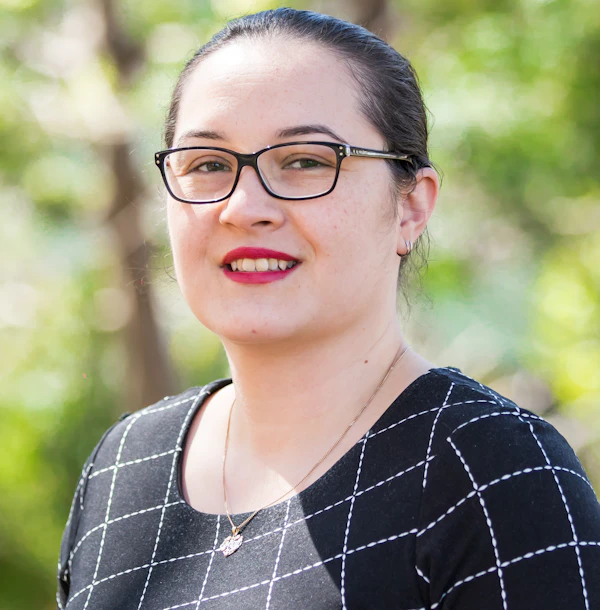
Dr Melissa Gilbert is a Melbourne based disability advocate with a PhD in Psychological Science and extensive research experience across health and wellbeing topics with interests in autism, women’s health, employment, family violence, ageing and disability. Melissa is represented by Champion Health Agency, and is particularly passionate about reducing discrimination in healthcare from her lived experience of invisible disability as a woman from a CALD background.
