
I was living in New York City when I first became unwell with Myalgic Encephalomyelitis/ Chronic Fatigue Syndrome (ME/CFS). I didn’t know what was happening to me and having never had any health problems before, I assumed this was a temporary glitch in my five-year plan.
I was so convinced of this, I flew home to Perth for a visit, taking only a small suitcase of clothes with me. When four weeks of fresh air and family time did nothing to stop my health from rapidly deteriorating, I had to ask my friends to pack up my neat-as-a-pin bedroom in NYC and sell my furniture off to strangers.
Trust us when we say we’re ill
If being forced to leave your entire adult life behind you isn’t a red flag that something is seriously wrong, I don’t know what is. But I went on naively making plans for when I recovered – completely oblivious to the fact I now had a lifelong medical condition that required constant management.
In hindsight, there were two factors playing into this. Like many people with invisible disability, I experienced severe medical gaslighting. Doctors (mostly male, pale and stale) would listen to my longlist of symptoms before confidently telling me it was “all in my head.”
If this gaslighting sounds benign, let me assure you it is not. When you see a Doctor, they hold all the power in the relationship. They decide if you deserve a diagnosis, further testing, or a referral to a specialist. If you’re young, female and have no unusual test results, odds are you’ll have to fight tooth and nail to get access to that basic human right called healthcare. And the more time spent without a diagnosis, the more your health and quality of life declines.
Secondly, whether we like it or not, humans use visual cues to help us respond to situations. When faced with someone who looks perfectly healthy but says they feel debilitatingly unwell, we often respond with judgement or disbelief. A friend of mine says that acquiring her invisible disability felt like being hit by a car, except she had to describe her injuries in great detail, while everyone questioned whether she was telling the truth or not.
This is the problem with invisible illness. No one can see where the bleeding is.
Imposter syndrome is real and raw
I now know that my own instincts are worth more than any medical degree. And if I can’t walk or breathe or function – it’s because I have a physical condition that’s wreaking havoc on my immune system. But that experience of being made to feel like an imposter, like someone who was pretending to be unwell, stays with me. It’s because of this that it took four years for me to feel comfortable identifying as disabled. So many people didn’t believe how sick I was, what would they say if I claimed disability as part of my identity too?
Every couple of months someone in my network introduces me to another young woman. We catch up for coffee and I listen, while she tells me how her health is falling apart, and no one will help. I hear this same story – my own story – so frequently it makes me want to scream.
There are 4.4 million people living with disabilities in Australia and 90% of them have an invisible condition. We must stop doubting people when they tell us something’s wrong and we have to make it easier for people with invisible disabilities to get the support they need. Whether that’s appropriate healthcare, disability support or the sweet relief of having your lived experience validated by others.
People with invisible disabilities deserve to live good lives, just like everyone else.
Further reading on invisible illness
- Invisible: How Young Women with Serious Health Issues Navigate Work, Relationships, and the Pressure to Seem Just Fine - Michele Lent Hirsch
- Doing Harm: The Truth About How Bad Medicine and Lazy Science Leave Women Dismissed, Misdiagnosed, and Sick – Maya Dusenbery
- Pain and Prejudice: A Call to Arms for Women and Their Bodies – Gabrielle Jackson

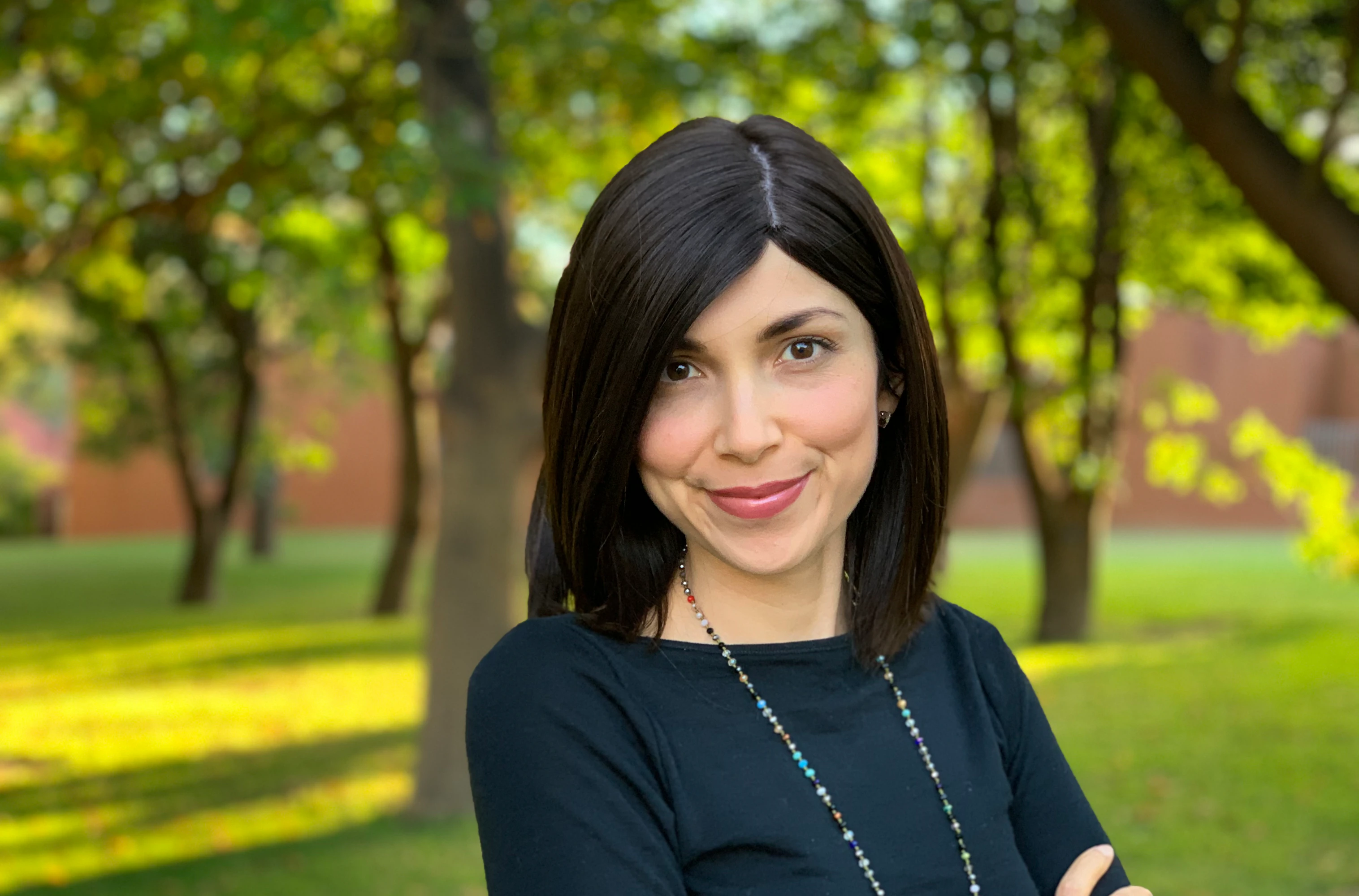
Natalia Hodgins
Natalia Hodgins is a communications expert, disability inclusion activist and the current Hireup Board Observer. Natalia is a writer, speaker and independent journalist who lives with myalgic encephalomyelitis / chronic fatigue syndrome.