
As autism advocate Chloé Hayden speaks out for dozens of people who, like her, felt excluded at a major music event, a recently diagnosed woman shares her perspective on the “gatekeeping” of disability.
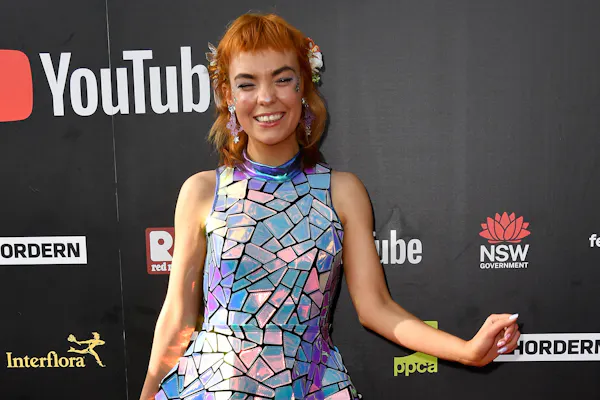
Image credit: AAP
Yet another autistic woman is under fire — this time, award-winning advocate and actor Chloé Hayden.
The 25-year-old Heartbreak High actor was denied access to the sensory room at Melbourne’s Marvel Stadium during a Harry Styles concert because, as Chloé claims, staff thought she “didn’t look autistic enough”.
This comes only a week or so after comedian Em Rusciano was slammed by a fellow comedian for her excitement about the same sensory room at the same concert — again, with claims that she didn’t “look autistic” and must be faking it.
These two events show that society has some pretty shocking perceptions of autism — especially autistic women. Because we rarely see autism represented in society. And if we do, it’s usually a male perspective, like Sheldon Cooper.
News flash: obviously autistic girls and women will behave differently to autistic boys and men. No one behaves exactly the same, and no one individual experience of autism could ever hope to capture the beautiful diversity that exists in neurodiversity. Not to mention the fact that many women are excellent at masking, which is when people cover up their true character to fit in with expected norms. You’d never know the battles that rage inside our minds.
I know this because last year, at 27, I was diagnosed with autism. My autism diagnosis brings me so much joy. It explains so much and has helped me understand myself and how to better care for myself in a world that wasn’t created for neurodivergent people.
But by looking at me, you’d never know I’m autistic. In order to survive, I became so good at masking that even I didn’t know I was doing it. I would force myself to make eye contact, even though it’s very uncomfortable. I’d watch how other people interacted and socialised, and copy them, writing scripts in my mind about what the appropriate things to say and do were in a given social situation. I’d hide my sensory overload, my stims and special interests over fear of being bullied more than I already was for being different.
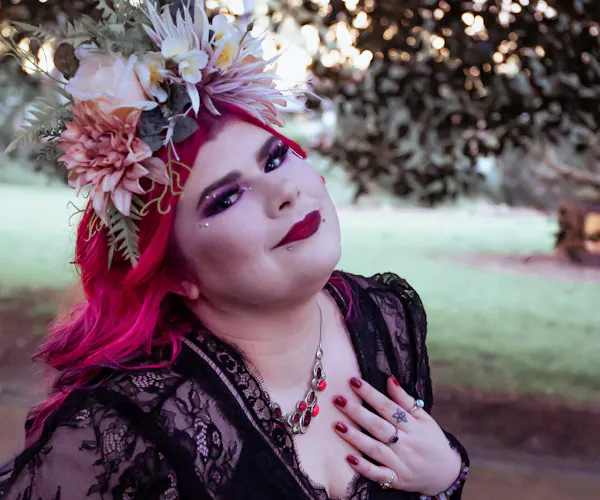
Image: Disability advocate Zoe Simmons, photographed by Emma Veness
As an adult, I’m working very hard at unmasking and being my authentic autistic self—and finding pride over something that has been viewed with such a shameful and ableist lens in the past. I reject that stigma with every fibre of my being.
But even with all the progress we’ve made, and all the amazing advocates that have and continue to speak out about autism, our society still has so much stigma, especially when it comes to autistic women. And it is devastating.
I find it incredibly concerning that we live in a society where non-disabled and neurotypical people feel they have the right to ‘gatekeep’ disability.
It’s especially concerning when people and organisations preach inclusivity, and then reject us.
And it’s not just autism where this occurs: it’s pretty much every single disability, visible and non-visible. We have to fight to be heard and believed, and when we don’t “look” disabled or autistic, like we see represented in mainstream media, we’re told we’re faking it.
After posting about her experiences with Marvel Stadium, Chloé said she received more than 50 messages from people who were also denied access and support from stadium staff.
“Demanding diagnostic papers to access sensory rooms and sensory packs, fat shaming disabled people, refusing to accommodate wheelchair access, and laughing at autistic people who are in meltdown is complete and utter bullshit,” Chloé wrote on Twitter.
“This isn’t about inclusion; this is about human decency.”
Unfortunately, a lot of the time, inclusion is tokenistic. Because, as Chloé points out in another tweet:
“Marvel Stadiums capacity is 53,359. 16.5% of the population have sensory processing challenges. That is 8,804 people (at least) who may need access to sensory spaces. Marvel Stadium’s sensory room capacity is 12. This is not inclusion. This is using disabled issues to tick a box.”
No matter what we look like, we deserve our access needs to be met — and it is no one else’s space to question us. If Chloé needed the sensory space, she should have been given access, even if others didn’t think so. Only we can possibly know what we experience. And it is so distressing to be told to “prove” our disabilities, when we live with them and their impacts every single day.
And if you ever find yourself thinking, “but what if they’re faking?”, I’d like to ask you: “but what if they’re not?”
It’s attitudes like these that stop disabled people asking for their access needs. It’s attitudes like these that make us feel like public places simply aren’t meant for us. This is why we need to keep talking about it.
Believe us.
It’s as simple as that.
* * *
Hireup contacted Marvel Stadium for a response and received this statement from the venue:
"We are extremely disappointed to hear of the experience some patrons had at Marvel Stadium over the weekend when they were unable to access our sensory room which was at capacity on both nights.
"After conversations this morning with patrons affected, Marvel Stadium has told patrons that to cope with increased demand a new extra sensory room will be included in the Marvel Stadium redevelopment when it is completed this year.
"Marvel Stadium was the first stadium in Melbourne to open a sensory room and takes great pride in welcoming everyone to the venue for events, with our sensory room being a safe and welcoming space for the many people who have used it since it was first introduced in 2019 including the many people that accessed it over the weekend during both concerts.
"While we sometimes experience capacity issues at major events, we still aim to provide a positive and caring experience for all patrons needing to find a quiet place and we sincerely apologise to patrons for the hurt and inconvenience that was caused over the weekend."

Zoe Simmons
Zoe Simmons is an award-winning disabled journalist, copywriter, speaker, author and advocate. She writes to make the world a better place. You can find out more about Zoe on her website, or follow her on Facebook, Instagram, Twitter, LinkedIn or Tik Tok.