
Accessibility isn’t something that’s often considered when it comes to the workplace. Regardless of an employee’s needs, there are usually the same rules and expectations – that you travel to a location and work 9–5, five days a week, because that’s the way it’s always been.
But, as the COVID-19 pandemic very clearly highlighted, employers can be flexible. We can do better – and so we should.
I’m self-employed. I help businesses small and large with their copywriting and editing needs while juggling my freelance journalism and writing a book. I’m also disabled. Being my own boss gives me the flexibility to put my needs first, and work in a way that works best for me. I can make decisions that make working more accessible for me – but many others can’t. And that needs to change.
Now, before you think, “what an entitled millennial!”, hear me out. Accessibility benefits everybody. It benefits parents and those with caring responsibilities. It benefits those who are juggling work with study. It benefits people who live rurally, or who can’t commute to a traditional workplace. And, of course, it benefits the disabled.
I’ve been living with chronic pain for around five years. For me, the government’s ‘work from home mandate’ during the first wave of the pandemic was an absolute godsend.
Suddenly I didn’t have to drive forty minutes into work and be in a physical location. I didn’t have to spend hundreds of dollars a month on petrol and tolls, and could invest that money into my healthcare instead. I didn’t have to beg to work from home if my pain was too high, and I didn’t have to feel guilty for asking.
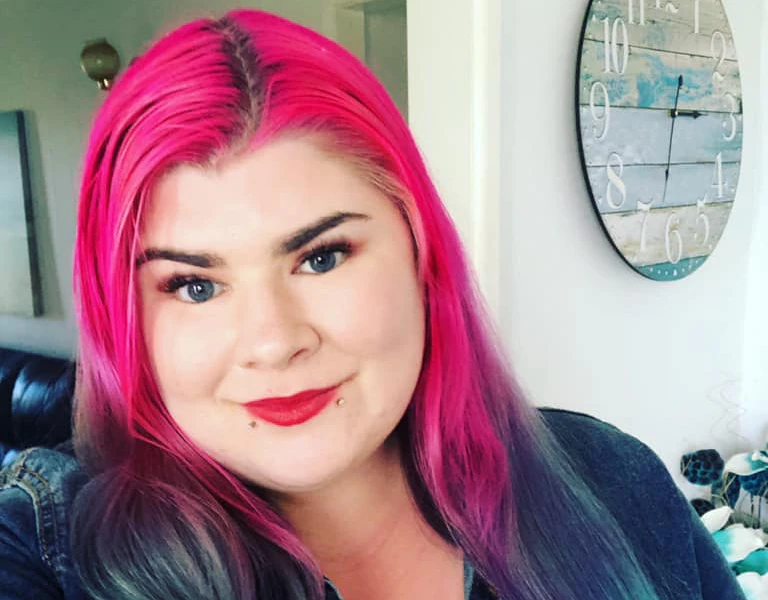
I had more energy – which makes a huge difference when you live with chronic fatigue. I could sleep in a little extra in the mornings and didn’t have to battle an exhausting commute. My health and stress levels improved drastically, and I was able to look after myself more. I could go for walks in my lunch breaks. I could prepare quick and healthy meals, without having to lug everything to the office. I could adjust my positioning, lay down and work with a lap desk when my body pain became too much – and even take pain relief that helped me through flares. I could do my much-needed stretches somewhere comfortable, (previously, I was doing them in the bathroom at work, because I was too nervous to ask for an accessible location) and I could wear comfortable clothes that helped me cope through the aches.
Work became less about appearances, and more about caring for myself. Due to these small changes, I was able to work much better and more importantly, I felt better.
Working from home opened up a whole new world for me. But when lockdowns ended, I was told I had to come back into the office again.
With fibromyalgia and my various other conditions, I only have a very limited amount of energy. The thought of using so much of that energy to go back to a physical workplace and losing all the benefits of working from home was devastating – especially when, sometimes, the physical commute would result in a pain flare that I couldn’t manage like I could at home.
I didn’t want to have to battle for my needs, again and again and again. And this was one of the biggest reasons I left my job to instead run my own business.
It breaks my heart to know that this isn’t an uncommon issue. We shouldn’t have to demand accessibility. We shouldn’t have to feel guilty for asking for our needs, no matter what they are. It shouldn’t be a war to let us work in a way that works best for us, especially in roles that don’t require you to be in a physical location.
Of course, it can be nice to go to an office and socialise with colleagues: but it should be a choice, not a requirement. Not everyone can go to a workplace.
Accessibility looks different for everyone – and it’s vital. When one in five Australians has a disability, it seems ridiculous that workplaces continue to operate from the same outdated ideas of what a workplace should be.
I often see working from home demonised by managers. I know people who’ve been threatened with disciplinary action for wanting to work from home. I wish managers could see our experiences and understand how remote work allows so many more people to participate in the workforce.
The way we’ve always done it simply doesn’t work. It’s time to do better.

Zoe Simmons
Zoe Simmons is an award-winning disabled journalist, copywriter, speaker, author and advocate. She writes to make the world a better place. You can find out more about Zoe on her website, or follow her on Facebook, Instagram, Twitter, LinkedIn or Tik Tok.