
From how our government is formed to the growing influence of independents, there’s a lot to know about how elections work in Australia.
Let’s dive into some key concepts that shape today’s Australian political landscape.
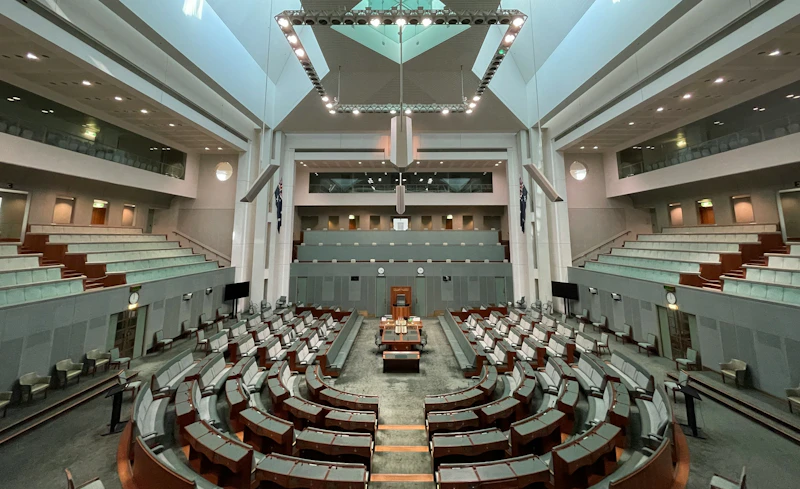
How government is formed
In Australia, elections are held at the federal, state and local (council) levels, with the federal government being responsible for national policy and legislation. The process begins with eligible Australians casting their votes in a general election.
At both the federal and state levels, the House of Representatives is where most of the action takes place in terms of forming a government.
The party (or coalition of parties) that wins the most seats in the House of Representatives usually forms the government. The leader of the winning party becomes the Prime Minister, who then appoints ministers to run different parts of the government, such as health, education, or finance.
However, this doesn't always mean a simple majority will do. In some cases, one party might not win enough seats, and will need to collaborate with smaller parties or independents to form a government – this is called a hung parliament.
What is a hung parliament?
A hung parliament occurs when no single party or coalition wins enough seats (76 or more) to form a majority government.
In a hung parliament, we see what’s called a minority government. This means the major parties need to work out deals and rely on support from crossbenchers – like the Greens or other independents – to form a government and pass laws.
The last time we had a minority government was in 2010, when Labor teamed up with the Greens.
Right now, polls suggest a minority government is likely, meaning Labor or the Coalition will need crossbench support to form government. So, stay tuned!
Minority governments and big reforms (such as the NDIS)
While the idea of a minority government may sound unstable, history has shown that it can be a powerful force for reform. One standout example is the National Disability Insurance Scheme (NDIS), which was introduced under a minority government led by then Prime Minister Julia Gillard in 2010.
The growing power of independents and the crossbench
In recent years, there's been a noticeable shift in Australian politics: the rise of independents – politicians who aren't tied to the major parties.
These independents (also known as crossbenchers) are gaining more influence and reshaping the political landscape. You might recognise some familiar names like Allegra Spender, Sophie Scamps, or Dai Lee.
As more voters look for alternatives to the traditional party system, independents and crossbench members are becoming a bigger force in Parliament.
The crossbench don’t always stick to party lines, so their votes can be crucial in deciding whether a bill passes or fails. In some cases, these crossbenchers can even hold the balance of power in a minority government, meaning they have the ability to negotiate on important issues and reforms.
With more voters turning to independents, these voices are becoming an essential part of our national conversation. They’re changing the way politics works, and their influence only seems to be growing.
Why every vote counts
Every vote plays a vital role in shaping our future.
We know it can feel overwhelming with all the political flyers, ads, and constant conversations about politics going on around you. But it's important to remember that each vote is crucial in the Australian election, as it determines the makeup of our parliament and government – especially in closely contested areas, where even a few votes can make a big difference.
The election is an important opportunity for all of us to have our say on who it is that represents us going forward. And don't forget, there's the added treat of enjoying a sausage sizzle and some cupcakes on election day.
To learn more about Australia’s federal government, we recommended visiting Parliament of Australia’s official website.
Curious about disability representation in Australian politics? Check out disability advocate Elly Desmarchelier’s article to learn more.
