
Natalia Hodgins knows what it's like to live with chronic illness. Here, she shares her fears around the long-term effects of covid.
It’s taken three months for me to write about the connection between ‘long Covid’ and my own disability, myalgic encephalomyelitis/chronic fatigue syndrome (ME/CFS). For this piece, I had the privilege of starting with a blank page instead of trying to find a pithy angle to appeal to readers. But the blank page worked against me; to write anything at all about the pandemic, I need to take one small square from the messy patchwork of emotions I feel. Just one small square, so I can express my thoughts clearly.
Overseas, long Covid has been called a looming health crisis and a mass disabling event. In Australia, our triple-vaccinated status offers us protection, but research still suggests five percent of coronavirus infections will result in ongoing symptoms lasting two months or more. To put this in perspective, for many people this could mean several months of post-covid symptoms, requiring plenty of rest, followed by recovery.
These aren’t the people who keep me up at night. It’s the ones who get long Covid and don’t recover that I ache for. The ones who will eventually join my own community known as the millions missing. Because we’re missing from life.
For me, watching the pandemic play out over the last two years has been like watching a train wreck in slow motion. Around the world, millions of people become chronically ill and disabled because political leaders overseas didn’t see the value in implementing public health measures - even though history tells us pandemics always produce communities of survivors. Even though the disability community warned people about the long tail of coronavirus, right from the very beginning.
Worse still, I’ve had to sit with the knowledge that because my disease was deliberately psychologised by the medical fraternity for the last forty years, we have nothing to offer people with long Covid. Medicine’s refusal to take ME/CFS seriously means we have very little understanding of what happens to the human body when a seemingly benign trigger, like a virus or a toxin, sets off an uncontrolled immune or inflammatory response.
It sounds unbelievable, but when ME/CFS came to attention in the United States in the 1980s, scientists quickly gave up on researching the mechanism of the disease and told journalists it was simply a wave of ‘depressed menopausal women’. Over twelve million dollars in federal funding for ME was illegally redirected by scientists at the Centre for Disease Control, who then lied to the US Government about how they spent this money. To be clear, they took the money earmarked for ME and gave it to other diseases they’d decided were more worthy.
On the other side of the pond, British psychiatrists tampered with the evidence of a major study published in The Lancet medical journal. The study falsely stated that graded exercise and talk therapy helped 22 percent of patients and the media ran with headlines like, ‘Got ME? Just get out more’. It took a decade of patient activism to have the trial discredited and for these treatments to be removed from clinical guidelines in the UK. This only happened after many people with ME became permanently worse, having been told by doctors they should ‘push through’ their fatigue and keep exercising.
Here in the lucky country, we’re even further behind when it comes to our mistreatment of people living with ME/CFS. Every area of medicine has outright rejected ownership of the disease, which means GPs have nowhere to refer patients once diagnosed. The Royal Australian College of Practitioners refuses to update their treatment guidelines which date back to 2002.
For a disease that’s been compared to HIV/AIDs in its severity, we are still being told to exercise and talk it out.
I often wish I didn’t know the history of ME/CFS or understand how this string of unethical decisions led us to where we are today. When I read about people losing their lives to long Covid overseas, it feels like someone is clenching their first around my heart. And as stories of people not recovering here in Australia start to reach me, I think my heart might just explode leaving red, hot shards of fury in its place.
To make it to the other side, I do the only thing I know how; I tell people’s stories. And each time I share another story with the world, I take one small square from my patchwork of pandemic emotions and I use it to bolster my breaking heart.

Natalia Hodgins
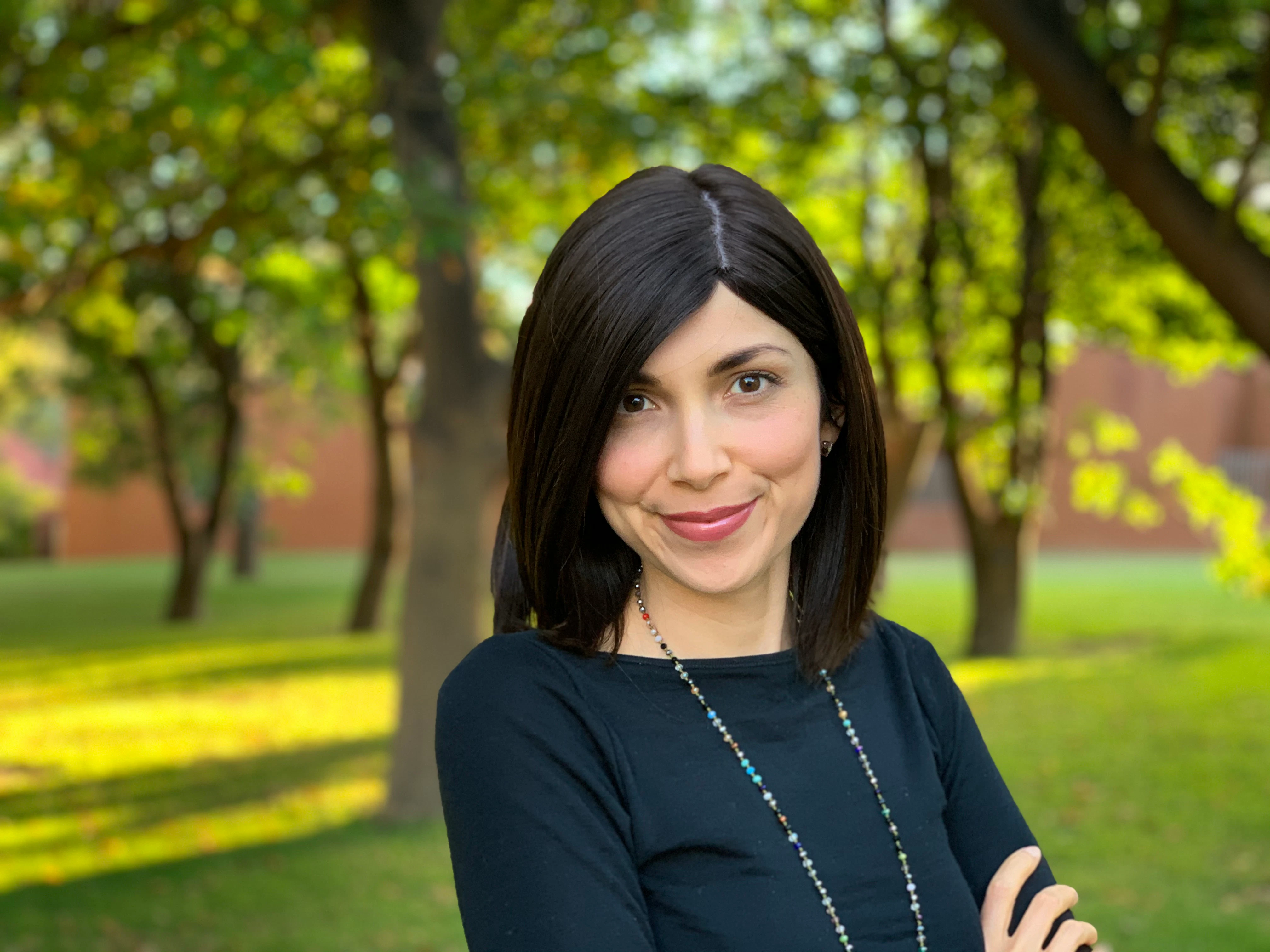
Natalia Hodgins is a communications expert, disability inclusion activist and the current Hireup Board Observer. Natalia is a writer, speaker and independent journalist who lives with myalgic encephalomyelitis / chronic fatigue syndrome.