
As COVID-safety regulations ease, journalist Zoe Simmons sheds light on her story of disability and how the pandemic is making her feel increasingly unvalued.
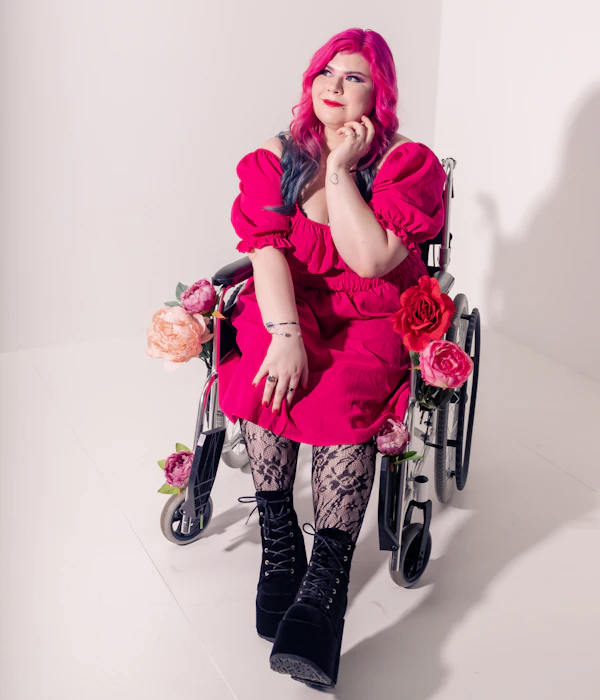
Being disabled can sometimes be an incredibly lonely experience. Especially now that we’re living in a pandemic that’s further isolating disabled and chronically ill people.
This kind of loneliness is a deep ache I’m not sure anyone but our community could understand. It seems like no one cares if we get sicker, or worse, so long as the non-disabled community can go back to “normal”. It feels as though the lives of disabled people are worthless.
As safety regulations ease, our ability to engage in the world around us shrinks, and our risks become greater. And only our community seems to care. That, in itself, can feel very isolating.
Even before the pandemic, things weren’t great. When I started experiencing agonising chronic pain about five years ago, I felt very alone. I didn’t know why I was in pain. I didn’t know why my body - and what it could do - was changing.
Before long, a bunch of other debilitating symptoms began to emerge, like chronic fatigue, nausea, insomnia, bone and nerve pain, and pins and needles that make my limbs go numb. With each development, my world got a little smaller.
No one else around me experienced this. And the more I experienced the impacts of my condition, the lonelier I felt.
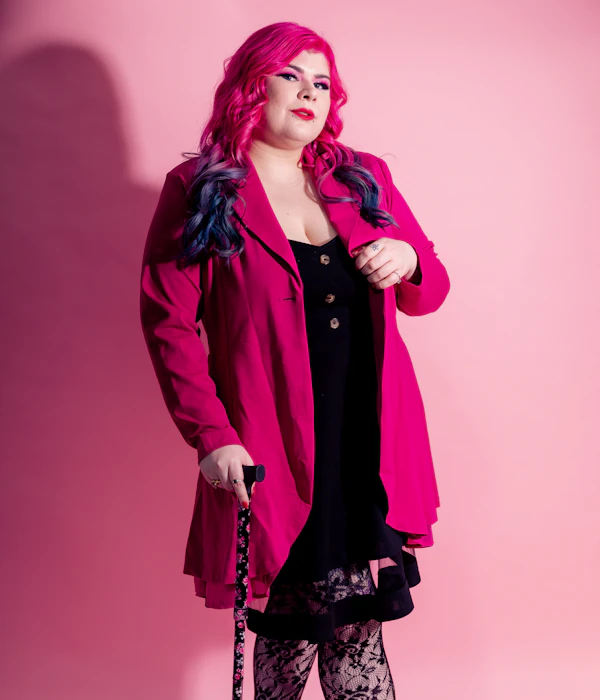
Online, I saw friends boasting about taking the next steps in their lives. Getting good jobs. Going on exciting holidays. Buying a house. All things that felt less and less likely to happen for me as my symptoms worsened. Even just being able to go out for a spontaneous brunch was often too difficult to manage.
Instead of popping to the gym or getting a manicure, I spent a lot of my time with various specialists and doctors. Instead of going out and partying, I had to be careful with every bit of energy I used. I was drowning in medical bills. In just a few years I’d spent more than $20,000 on my medical care alone - what was once supposed to be a house deposit.
Compared to my friends, it felt like my experiences were so profoundly ‘other’.
One night when loneliness made my chest ache, I decided to again post about these feelings online - into a group for other young disabled and chronically ill folk. Hundreds of people responded, answering that they felt the same way. It made me sad to know so many others were grappling with this: but it also felt really nice to know I wasn’t in this battle alone. It means the world to be able to have these online connections.
Offline, it felt like I was watching the world outside pass me by while I was stuck, sluggish in quicksand. And I’m feeling this even more strongly now, as the divide between disabled and non-disabled experiences in the pandemic widens.

If only the world were a little more accessible. If only we as a community decided it was worth protecting disabled people and being considerate of other people’s health conditions and the impact COVID can have - because I’d love to one day meet my online disabled pals, and many, many more, in real life.
But at the very least, knowing others share my fears and isolation helps.
Being disabled in a world intended for the non-disabled is tough work, and it can be hard when no one around you gets it. But remember: you aren’t alone. Connect with the disability community online, we’ve got your back. And please know that your disabled life matters.
Photography by Emma Veness
Zoe Simmons
Zoe Simmons is an award-winning disabled journalist, copywriter, speaker, author and advocate. She writes to make the world a better place. You can find out more about Zoe on her website, or follow her on Facebook, Instagram, Twitter, LinkedIn or Tik Tok.