
After 25 years as her parents’ primary carer, Jean Kittson reflects on the good, bad and unexpected 'soap-eating' moments of caring for ageing parents.
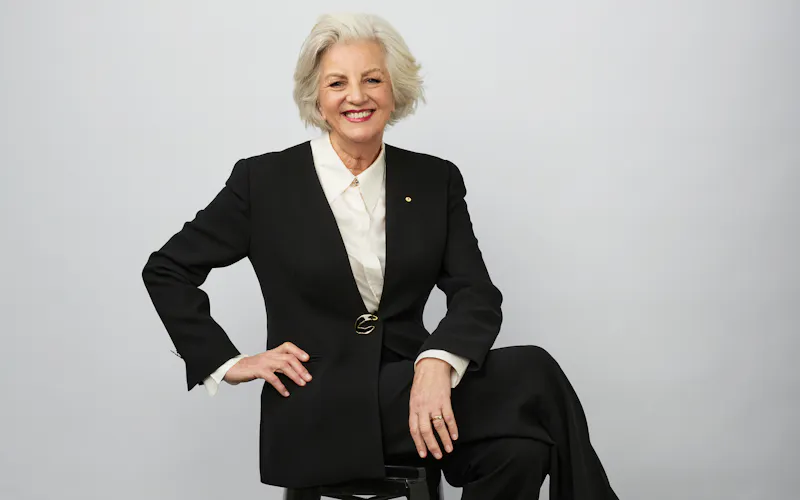
I was my parents’ primary carer for about 25 years.
This did not mean that I did most of the actual care, although in the beginning that was my intention.
I would drive the hour and half, one way, at least once a week to take them to doctors, check their skin for scratches, their car for dings, the fridge for anything alive and help them shop and clean and take them to the RSL club for garlic prawns.
But as the years passed and their needs increased there came a breaking point. Possibly while driving home along the freeway from the hospital at 2am, exhausted and starving, when I remembered seeing a little wrapped white chocolate in the bottom of my handbag. Yum!
I shuffled around, found it, tore off the packaging and took a greedy bite. Only to discover it was a small soap I must have pinched from the motel. Karma.
I realised that as my parents aged they would need more care and support and I really couldn’t do it on my own, especially if it meant dangerous driving with one hand, and if I’d been given a random breath test, I would have blown bubbles.
I could have moved in, I have met selfless sons and daughters who have done that, but I would have had to ditch my own family and my work and left a can-opener for the dog. I did toy with this idea.
My kids, being teenagers, if they even noticed my absence between doom scrolling, would probably have made the most of it, they love a party, and my husband could have read all night if he wanted to, but ultimately the decider was sleeping on mum and dad’s wiry old sofa bed. The mattress had as much padding as a thong. I would have needed a walker in a week. Three walkers in a small retirement village unit - we all would have gridlocked in the kitchen, reaching for the Iced Vovos.
I was slow in accepting that doing it all myself lovingly wasn’t the best way to keep them as well and comfortable and happy as possible.
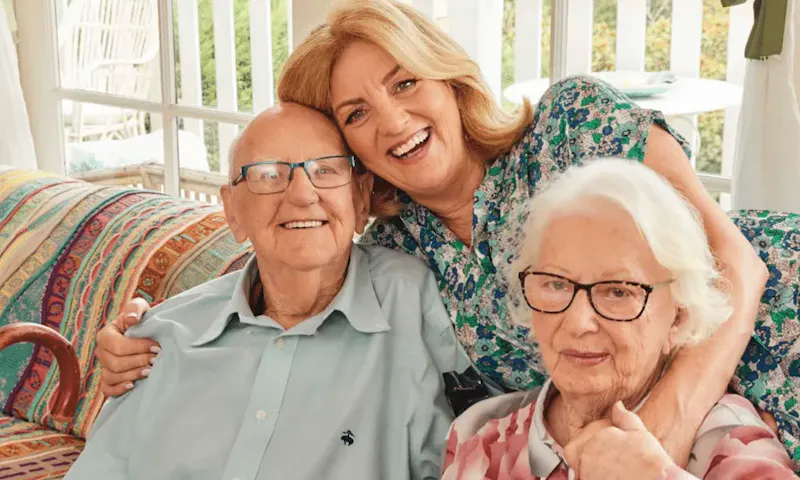
Image: Australian Carers Guide.
I was not only time poor but also contemplating selling my first born to pay for the road tolls. I was feeling guilty. I wasn't there when something went wrong with meal prep, I was stricken when they had a fall or became unwell, I was resentful when I went to see them and everything was alright but they were snitchy with each other. It was an emotional rollercoaster and physically exhausting.
It was also not the best way to be their loving daughter either. Running around looking after them rather than simply being with them.
Mum and dad were slow accepting help too. This is very common. Our elders worry that admitting they need outside help is the thin edge of the wedge. That people will think they are not coping so they will be “put into” residential aged care.
Reassuring our loved ones that more support will give them more autonomy, not less, and more independence, not less. That they will have more control over their lives, not less, is the first essential step to banishing conflict and fear, enabling them to stay at home.
From the time I started worrying about my parents, to the time they died, between them they had a broken hip, a broken shoulder, a broken femur, two strokes, prostate cancer, two heart ‘events’, kidney failure, COPD (Chronic Obstructive Pulmonary Disease) various skin cancers and chronic wounds, numerous UTI’s and infections and wounds and both were hearing impaired and had lost their sight. My mother was legally blind, and my father used a jeweller’s loop to peel the potatoes.
They had gone from being mobile and driving, to no car and both pushing walkers.
They had been to hospitals, rehabs, transition care and seen specialists and GPs and made the huge decision to sell the family home and move to a unit in a retirement village.
They started with one hour cleaning a week and by the end they had about 14 hours of services a week, which included cleaning, shopping, cooking and personal care.
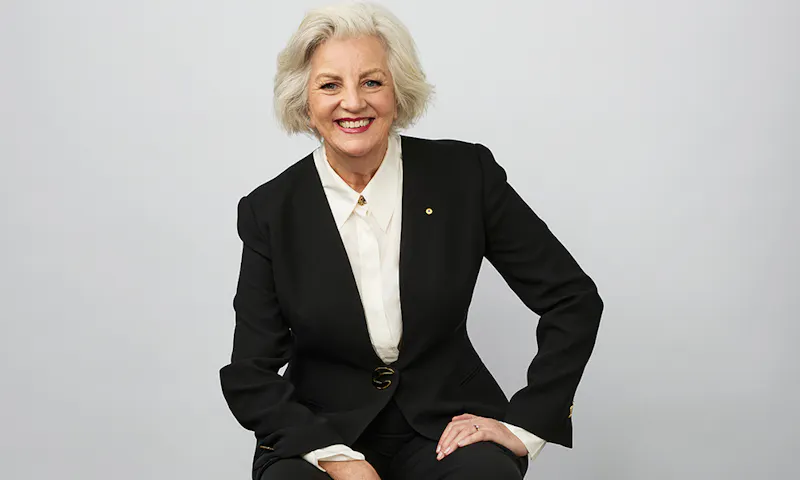
I was the team leader. I was their advocate. I co-ordinated all their care. I was the trouble shooter. For example, continuity of care, not always possible but there were weeks when mum and dad had 10 different support workers come to the house. It was unbearably intrusive and disrespectful; faceless, often impatient or patronising strangers asking if they could take off their own pyjamas or where was the kettle or why the skirting boards needed cleaning when they looked clean enough to them.
The ideal is when you and your loved ones have control over who the support workers are, you choose the support workers who suit you the most and you choose when they come. This is the ideal and the best way to manage everyone’s needs and emotions.
My mother died four weeks after my father. She was 99 and he was 96. He was her toy boy.
Mum was on a level four of the old Home Care Package system and my dad died waiting for his level four, like thousands of other elders.
Up until the last few weeks of their lives, they lived independently at home. With their own things around them, sleeping in their own bed.
This was only possible because of the community of people in their immediate orbit.
Because it not only takes a village to raise a child - it also takes a village to make sure our elders reach safe harbour at the end of their lives.
A village of people who understand, who are patient, compassionate. empathetic and who care.

Jean Kittson
Jean Kittson is an author, public speaker, actor and comedian.