
Autism Awareness Australia recently appointed a new CEO, Rob Anderson. I (Julian) recently had the opportunity to chat with Rob to discuss his background and his hopes for the future of Autism Awareness Australia. As someone with lived experience I was especially interested in what he had to say.
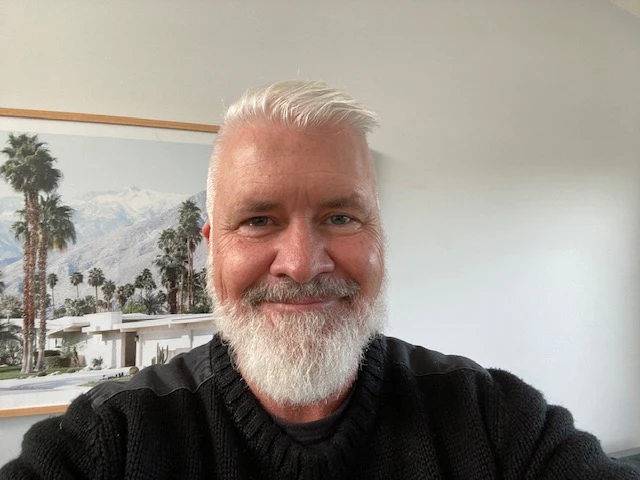
Rob, could you tell us a bit about yourself; your life, your career background, and how you heard initially about Autism Awareness Australia?
I've been a disability advocate for the last 16 years. I was previously CEO of Disability, Sport and Recreation, and that involved helping people with a spectrum of disabilities engage in society through both recreational activity and sporting pursuits. I'm all about access inequity, ensuring all in society are able to pursue the activities they want. I do have children on the spectrum and certainly understand and appreciate some of the challenges that families face trying to access support.
Why did you decide to take on this role as CEO of Autism Awareness Australia?
I've seen through the experience of my children, the challenges they have faced. I reviewed Autism Awareness Australia and the support it provides and was really impressed with the reach and the nature of how Autism Awareness Australia looks after its community who are faced with challenges on a day-to-day basis.
You mentioned being committed to the principles of access and equity. How do you hope to promote this during your time as CEO of Autism Awareness Australia?
By trying to ensure that the most marginalised in our community are looked after. That we consider each and every individual and understand that their needs are not the same. On that basis, we’re trying to ensure that everybody has a fair go participating in society, accessing education and the support required in order for them to go about developing themselves, both personally and within a community.
What do you believe are the conversations about autism that need to be addressed more?
There's certainly a very narrow vision of what being autistic or on the spectrum is, and we need to debunk the myths and misconceptions of being on the spectrum while promoting that understanding. We need to acknowledge the lack of understanding and subtle barriers within workplaces and education settings. This also includes having environments that are welcoming, such as stadiums having sensory rooms.
What role should organisations like Autism Awareness Australia and Hireup play to create a better future for people with autism?
We need to be leading and engaging our community in the discussions around NDIA reforms and implications. We've got an overlay of a national autism strategy, which is being considered, and we want to make sure our community is engaged and informed in what's going on through that process and give people the opportunity to provide their perspective to ensure that the autistic community's voice is heard and an outcome is reached that is reflective of the community’s needs.
With the increase in reports of adults receiving late diagnosis - How is Autism Awareness Australia informing people to understand autism and seek diagnosis earlier?
It’s about creating a general awareness around the topic, ensuring that the appropriate evidence-based information is available in the settings where identification can occur, such as within childcare centres or clinical environments. There needs to be an understanding of identifying and then adopting some type of early intervention pre-diagnosis in order to ensure any developmental delays are not exacerbated. We really do just have to get the message out there. We've got a digital toolkit called ‘Autism: What Next?’ It's a free platform designed to help individuals, parents and carers navigate the first 12 months of an autism diagnosis.
There’s a lot in the media about the rising cost of the NDIS, but what do you believe is the cost of not investing in the NDIS?
We're talking about a quality of life for the individual, their families and the community in general. We need to maximise everybody's abilities and aspirations to get the best dividend. So there are tremendous cost savings, particularly when we talk about things like early intervention and therapies available to people in order to maximise their development goals. There’s a huge cost of not doing anything and as a society, we would be so much poorer for people not being fully engaged.
What is your hope for Autism Awareness Australia?
I hope we can get out support and engage with more people in the community. And again, look to have them determine what the priorities are. Things that we do by way of advocacy and service provision priorities are run through the lens of people that identify as being on the spectrum. We just need to continue to listen to the community and represent them as they wish to be represented. There's no use having an NDIS support package if you can't access services. So there is a whole range of obligations that we need to make to make sure those that need additional support to achieve their goals are able to access it.

Julian Annison
Julian Annison is the Corporate and Public Affairs Officer at Hireup. Julian is autistic and a passionate advocate for equality and the elimination of the idea that there is such a thing as “normal”.