
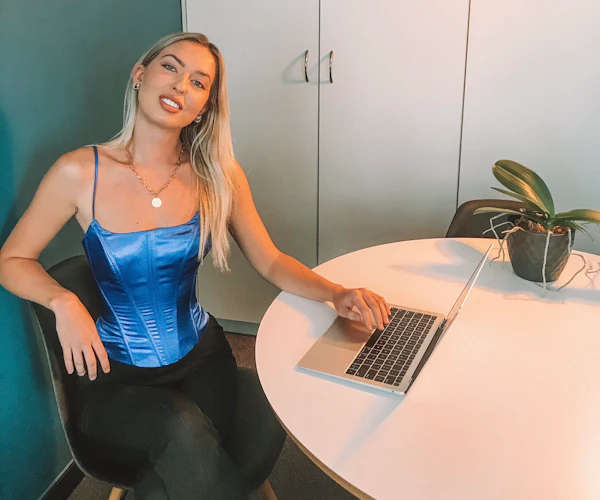
Model and disability advocate Anja Christoffersen warns how the government’s decision to cut back telehealth services will impact the disability community.
People with disability are no strangers to having the rug pulled out from underneath them. Take the attacks on NDIS plans, for example, where previously approved essential supports have been withdrawn in annual plan reviews. Now, our telehealth appointments are being ripped away.
The use of videoconferencing for doctor appointments supports a vast cohort of Australians beyond NDIS participants – whether you are young, elderly, immunocompromised, socially anxious or just prefer the convenience. The pandemic is far from over and yet, the newly elected government that promised us better healthcare is not extending that promise to pandemic-related telehealth services.
In March 2020, bulk-billed telehealth services were introduced to protect us, our frontline workers, and better support our primary care sector. In January 2022, we celebrated an announcement from the federal government that these telehealth services introduced during COVID-19 would be ongoing.
Fast forward to now and, according to federal Health Minister Mark Butler, while there are “challenges with COVID”, pandemic-related telehealth services are cut as of June 30, 2022.
This, despite the fact 95 per cent of all Australia’s COVID cases have occurred since the new year.
This change is an attack on our wallets in a time of exploding cost of living, and an attack on our safety in another surging wave of COVID compounded by a deadly strain of influenza.
We speak about moving forward from COVID with the knowledge gained from the pandemic. We’ve learnt that bulk-billed telehealth is a widely welcomed mode of healthcare delivery. It’s part of how we can rebuild, catch up on our missed appointments, reduce the strain on emergency departments and, ultimately, heal.
Taking away telehealth is taking away the choice people have to protect themselves and still receive the medical care that they need. The consequences for removing telehealth for the disability community, in particular, are complex and diverse.
“Telehealth doesn’t just give me a lifeline and allow an added layer of protection as a high-risk person amidst a pandemic, but has also been something the disability community begged for, for years,” says my friend and fellow disability advocate, Jess Cochran. “It means we can access vital, life-saving supports.”
Another friend and advocate, Ellie Buchan, is unable to drive a car and has been left feeling extremely concerned and anxious over the change. “Telehealth has allowed me to receive treatment in a flexible way that has helped me to manage my health, protect myself from COVID and maintain my independence,” says Ellie.
“The role of the healthcare system is to protect patients from harm. The question that we have to ask is - how are we protecting patients by denying telehealth services to those of us who are in need of it most? Or is the government just looking for an easy way to save a buck?” she adds.
As for me, I’ve relocated more than 100km away from all of my regular doctors. Removing telehealth will remove access to care when I need it. I’ll also be put at risk by having to attend unfamiliar doctors, face-to-face, who do not understand my complex medical conditions when I need urgent primary care. It means more diagnostic tests and inaccurate diagnoses if doctors don’t understand my history. Spending exorbitant amounts on fuel and using all of my energy concentrating on hours-long drives for five-minute appointments.
If the government wants to save money, putting people at risk, creating greater barriers to healthcare access and stripping away the independence of some, is not the right way to do it.

Anja Christoffersen
Anja Christoffersen is one of Australia's most distinctive voices on disability and human-centred design. Born with a complex rare disability, she has spent her career building inclusive systems from the inside – as a researcher, co-design practitioner, and consumer health leader. She is the author of Behind The Smile and editor of In Crowd magazine.