
It doesn’t surprise me that the Australian government hasn’t made rapid antigen tests free.
Now, don’t get me wrong – I think they absolutely should be free, like they are in many other countries around the globe. For accessibility and for public health, it just makes sense.
For a lot of people, $15 for a test is actually a lot of money – especially when you’re below the poverty line. Not to mention how costly it is when you need numerous tests, as many disabled people do, and that’s even without the awful price-gouging that can see the cost of a RAT skyrocket to more than $50 a pop. (Thank goodness the Australian Competition and Consumer Commission is on the case.)
But despite how beneficial free tests would be, I don’t have high hopes, because being forced to pay high prices for medical care is something that is not new to anyone who is disabled or chronically ill.
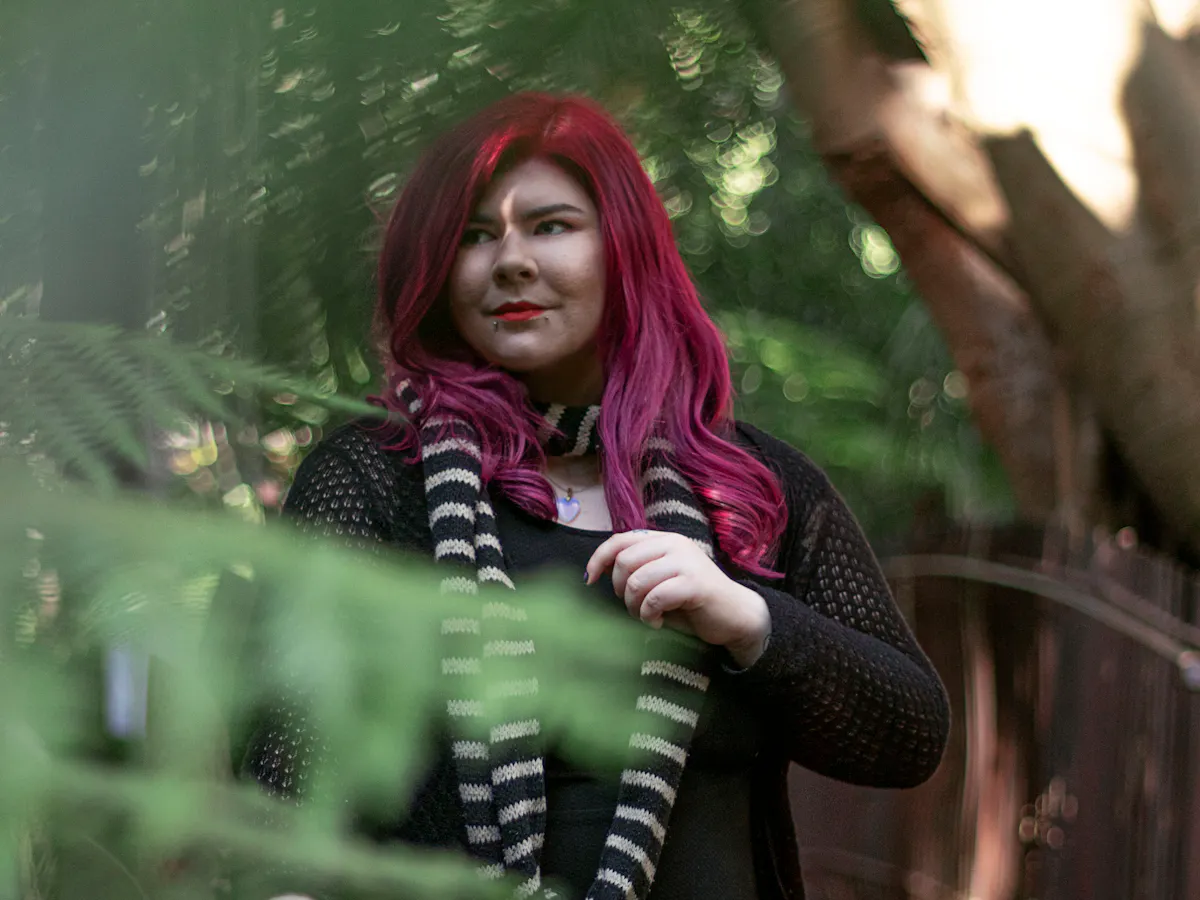
Thanks to fibromyalgia and suspected adenomyosis, I’ve been living with excruciating chronic pain and fatigue for the past five years or so, and my experiences have clearly highlighted the inadequacies of our public health system.
Yes, we are so lucky to be in a country that has a public healthcare system, but as any regular user of the system will know, it’s not great.
That’s not to say there aren’t great nurses, doctors and specialists in our public system – there absolutely are. But even before the pandemic, our hospitals were under so much pressure. COVID-19 has only made it worse.
While sometimes you might fluke a fantastic specialist in the public system, often you need to pay to be cared for – whether it’s because you need to see a specialist with certain expertise that isn’t covered in the public system, or because you aren’t being heard, or simply because public waitlists are just too long. You can’t always afford to wait and even if you can, it’s not pleasant.
Often, we’re forced to seek out private care – and it’s expensive.
My latest specialist, for example, is going to cost me a whopping $480 a session. And to further investigate and manage my various and suspected conditions, I need to see a fair few types of specialists, all of which are incredibly expensive.
Then there’s treatments, medications, and other unforeseen costs associated with being disabled. It can cost me up to $2000 a month – and that’s on top of everyday living expenses like rent, electricity, internet, phone, gas and more. Oh, and food – that’s pretty important, too.
Unfortunately, alongside the additional expenses we need to pay, people with disability and chronic conditions often have a reduced capacity to work or find work. Some days I’m in too much pain, or experiencing too much fatigue to write. As a freelance writer who relies on that income, it makes existing all the more difficult. Not to mention stressful.
With that in mind, I find it a bit surreal to see non-disabled people complaining about the cost of RATs – and their outrage at being denied access to healthcare. I agree: it is an outrage. Especially for members of the disability community who have to fork out yet another expense.
Costly healthcare is something disabled people experience almost every single day. Our government continually fails vulnerable people – and this testing debacle is a clear example of that. Only, it’s an example that’s visible to the non-disabled community.
Yes, there are some free tests available, but many vulnerable people still can’t access them. I don’t have high hopes that the government will swoop in and make RATs accessible for everyone – at least not without a lot of pressure. But I do hope that by experiencing this taste of inaccessibility, non-disabled people will be more understanding about what we go through on a regular basis.
And maybe they’ll be outraged about how we’re treated, too.

Zoe Simmons
Zoe Simmons is an award-winning disabled journalist, copywriter, speaker, author and advocate. She writes to make the world a better place. You can find out more about Zoe on her website, or follow her on Facebook, Instagram, Twitter, LinkedIn or Tik Tok.