
An opinion piece by Jax Jacki Brown
The 2021 Census fails to capture the real diversity of the Australian population and has left many feeling excluded. As a person with disabilities who is also part of the LGBTIQA+ community and a queer parent, I found this year’s questions in the census to be problematic and erasing of my family and identities. As I filled out the census last night, along with millions of other Australians, I was disappointed to find outdated ideas of disability and family reflected in many of the questions.
My disabilities are not solely defined by what I ‘need help with’, which is what the census questions asked. My disabilities include those things I lack access to because of the ways I am excluded and discriminated against due to systemic and interpersonal barriers in my life. By asking only questions around if I ‘need help or assistance or supervision’, this important survey of the population misses vital pieces of information about the way an inaccessible built environment and people’s attitudes on disability profoundly impact my life and opportunities and shape what it means to have disabilities in Australia in 2021.
The interplay between my impairments and the environment produces my disabilities or dis-ables me. Disability is not something which solely exists in the body or mind of a person, but is an ongoing interaction between their body, mind and the environment they find themselves in. This environment can disable or enable them. This definition is known as the social model of disability and is adopted by the United Nations Convention on the Rights of People with Disabilities (CRPD).
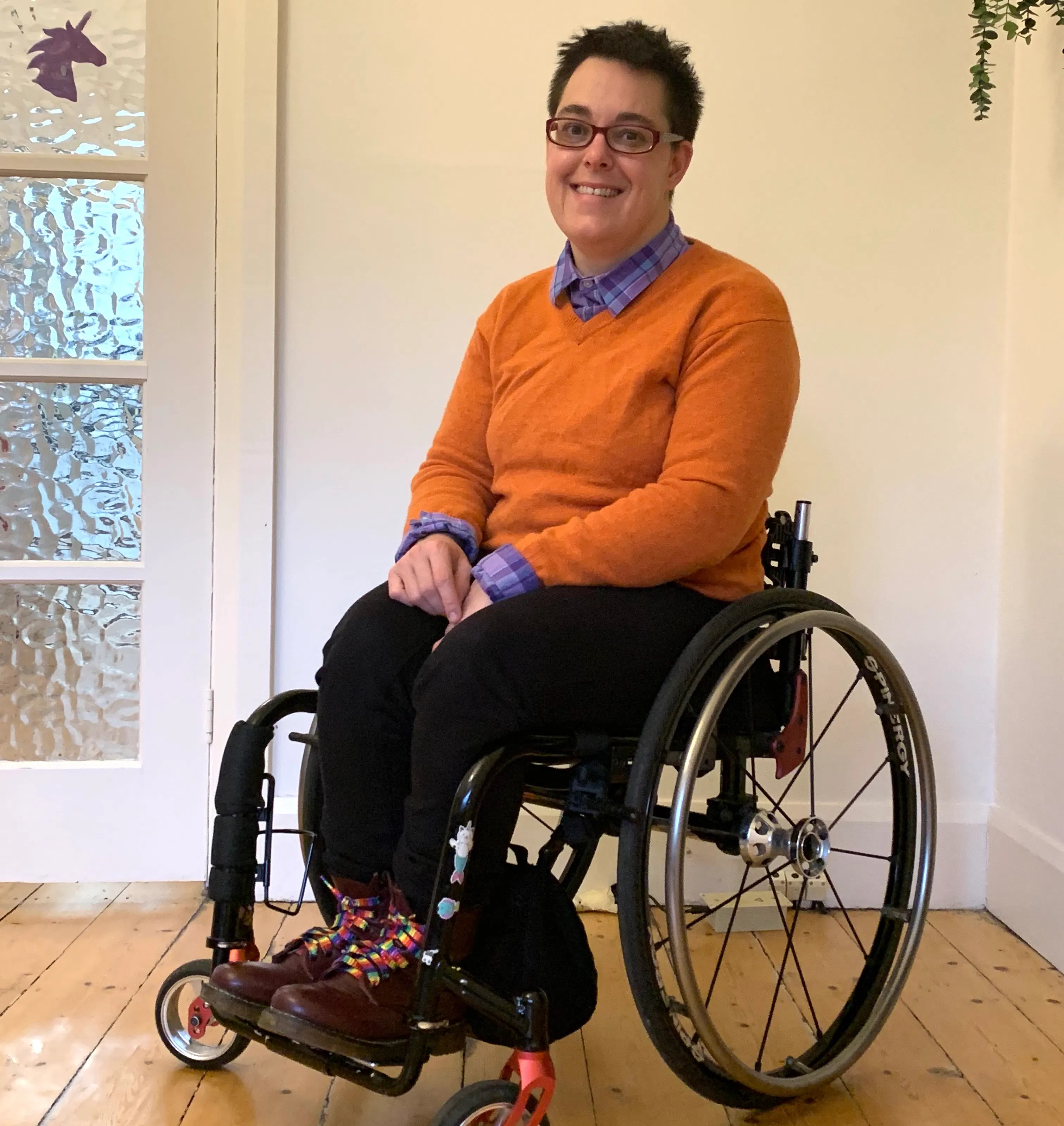
This progressive way of viewing disability is considered best practice and can provide invaluable guidance on thinking about, planning for and responding to those with disabilities. This approach centres human rights and access, and views disabilities as an aspect of identity, not something defined solely by what one cannot do or needs help or assistance with.
By only asking about disabilities in terms of what we need help with, or what we can’t do independently, the census fails to capture what we need to change to enable greater access and inclusion of people with disabilities and create a more equitable society.
The census also failed to ask about neurodiversity, ADHD or a range of chronic health conditions - many of which are invisible disabilities. Given that up to 80% of disabilities are invisible, failing to capture this data is a significant missed opportunity.
The census also asked: ‘Have you been told by a doctor or nurse that you have any of these long-term health conditions?’ This question assumes that having a disability which is diagnosed by a medical professional is a legitimate disability worthy of recording - and that if you had been unable to gain formal diagnosis, then you do not really experience disability.
This is plainly untrue and excludes a lot of people who experience barriers to acquiring a diagnosis. Additionally, Deaf people were required to tick ‘other’ under the languages listed despite Auslan being one of the top three languages currently requiring an interpreter in Australia. Many Deaf people view themselves as part of a linguistic minority, and find pride and identity in their Deaf culture - a culture which was also not captured by these census questions.
I suggest that the question should be: ‘Do you have disabilities or are you Deaf?’ Then the respondent can answer ‘yes’ or ‘no’. This question should be followed by an open text box where they can provide details if they wish. This way people can use language and labels that they identify with and are important to them, instead being presented with questions and lists of conditions which fail to capture their lived experience.
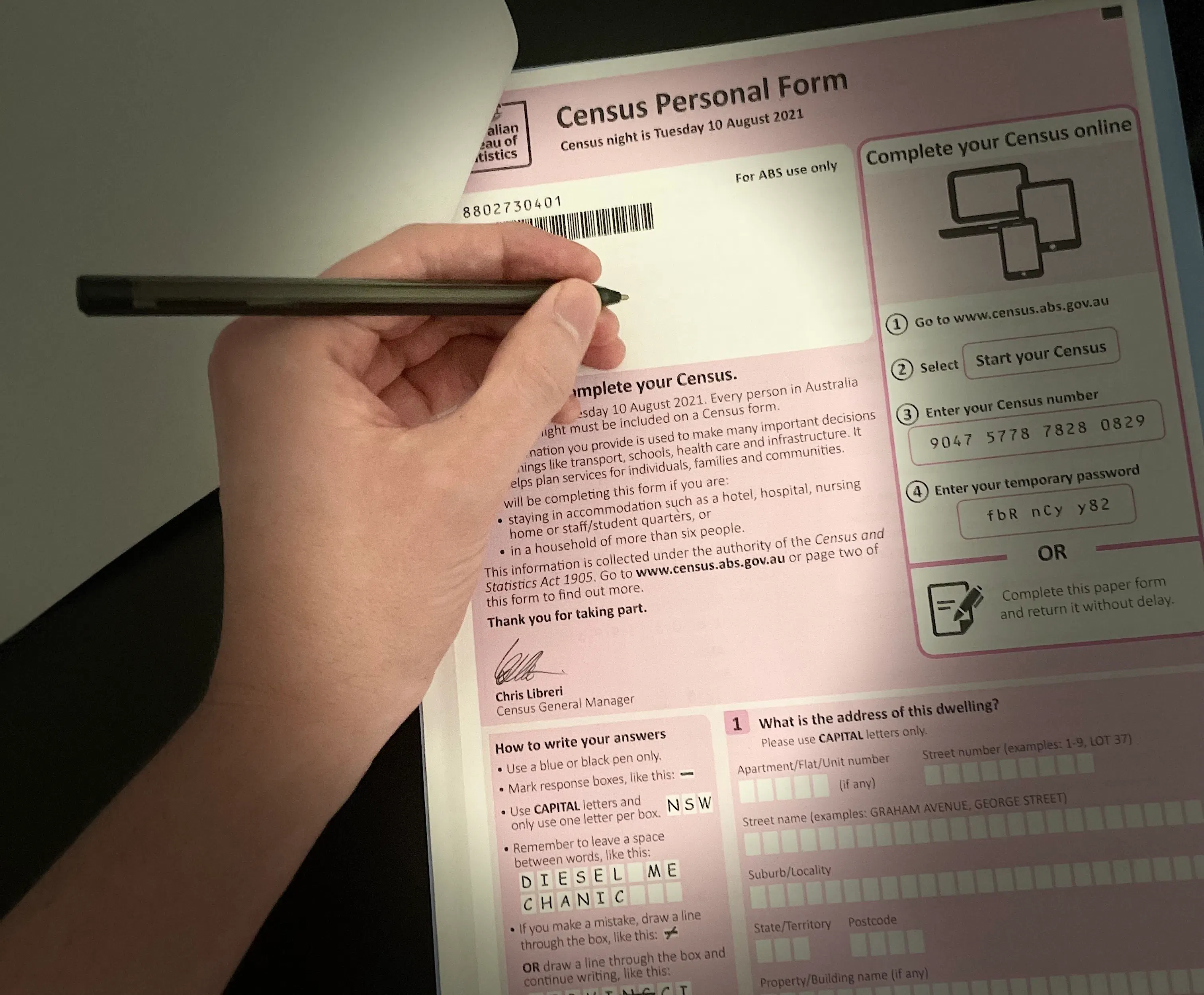
As a gender-diverse wheelchair user and parent in a queer relationship, the question relating to sex also needs to be followed by one on gender. Best practice for LGBTIQA+ inclusion is to ask ‘gender’ followed by an open text box which allows people to write in their identities. I answered that I am non-binary as I was not given an option that allowed for me to state I am gender diverse. Non-binary is not my sex as the census suggests, non-binary is a person’s gender identity.
A lack of an open text box option for gender also does not allow for transgender folks to record that they are trans should they wish to do so. It also lumps intersex people in with non-binary folks, which is not how intersex people identify.
Capturing LGBTIQA+ identities would enable such an important survey to reflect the true diversity of the population, as well as the changing relationships and family structures in 2021. I had to put that I was my child’s father, as there was nowhere to indicate that she has two parents: a mum and a non-binary parent.
It’s 2021, we have marriage equality finally, LGBTQA+ people can finally adopt and have access to IVF and surrogacy to create our families. It’s time for the census to reflect the equality we have fought so hard for and finally gained.
Language is an important marker of reflecting and respecting the diversity of the Australian society and advancing equality. Changing the wording from mother and father to parent/s is a small but significant move towards including LGBTIQA+ people and our rainbow families. Changing how we ask about disability so that it becomes an issue of access and human rights changes how we think about and include people with disability in our society.
Although I am disappointed with the 2021 Census, I am hopeful that we can improve the questions so that in 2026 the census really does #countusin and model best practice in how to ask about and capture the true diversity of our society.
Jax Jacki Brown (they/them) is a disability and LGBTIQA+ rights activist, writer, and educator. Jax has written for Junkee, Daily Life, The Feminist Observer, Writers Victoria, ABC’s Ramp Up, Hot Chicks with Big Brains and Archer Magazine. Jax is published in the following anthologies: Queer Disability Anthology (2015), QueerStories: Reflections on Lives Well Lived from Some of Australia's Finest LGBTIQA+ Writers (2018), Kindred: 12 Queer #LoveOzYA Stories (2019), Growing up Queer in Australia (2019) and the forthcoming We’ve Got This: Stories by Disabled Parents (2022). Jax is interested in how we can build resilience, pride and community for people with disabilities.
Discover more

Jax Jacki Brown
Jax Jacki Brown (they/them) is a disability and LGBTIQA+ rights activist, writer, and educator. Jax has written for Junkee, Daily Life, The Feminist Observer, Writers Victoria, ABC’s Ramp Up, Hot Chicks with Big Brains and Archer Magazine. Jax is published in the following anthologies: Queer Disability Anthology (2015), QueerStories: Reflections on Lives Well Lived from Some of Australia's Finest LGBTIQA+ Writers (2018), Kindred: 12 Queer #LoveOzYA Stories (2019), Growing up Queer in Australia (2019) and the forthcoming We’ve Got This: Stories by Disabled Parents (2022). Jax is interested in how we can build resilience, pride and community for people with disabilities.